Introduction
In the design of high-end gardens and estates, sculpture plays a defining role.
It introduces structure, anchors space, and creates moments of focus within the landscape. Among all materials, bronze sculpture remains one of the most widely used — valued for its permanence, warmth, and ability to integrate into natural surroundings.
For those considering a bronze garden sculpture, the decision is not simply about selecting a piece, but understanding how sculpture interacts with space, scale, and environment.
Why Bronze Works in the Garden
Outdoor environments demand materials that can withstand time.
Bronze offers:
- Long-term durability
- Resistance to weathering
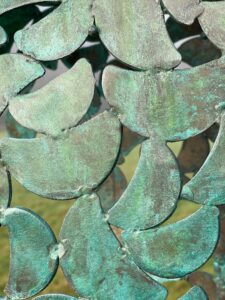
- A natural patina that evolves
Unlike materials that degrade, bronze develops character — allowing a sculpture to settle into its surroundings.
This makes it particularly suited to:
- Large garden sculpture
- Estate landscapes
- Public-facing outdoor spaces
Choosing the Right Sculpture
Selecting a bronze sculpture for a garden begins with understanding the space itself.
Consider:
Scale
In larger gardens, smaller works can lose impact.
A large bronze sculpture ensures visibility and presence.
Setting
Formal gardens often suit:
- Structured, balanced forms
Natural landscapes may suit:
- Organic or figurative work
Purpose
Is the sculpture intended to:
- Create a focal point?
- Reflect personal interest (e.g. equestrian)?
- Complement architecture?
These decisions shape the direction of the piece.
Placement Within the Landscape
Placement is as important as the sculpture itself.
A well-positioned bronze garden sculpture can:
- Define movement through a space
- Anchor a key viewpoint
- Create balance within the landscape
Common placements include:
- At the end of a pathway
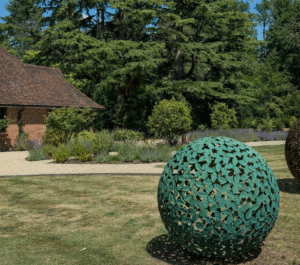
- Within open lawns
- Near water features
- Along entrance approaches
Each position changes how the sculpture is experienced.
Working with Sightlines
In large landscapes, sculpture is often viewed from a distance.
This requires consideration of:
- Long sightlines
- Approach angles
- Background and horizon
A sculpture should:
- Hold its silhouette clearly
- Remain visible across space
- Reveal detail as you move closer
This balance between distance and proximity is essential.
Interaction with Light
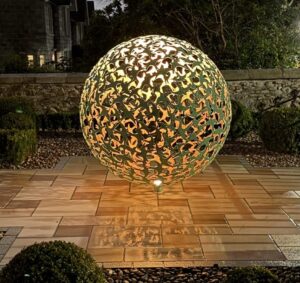
Light plays a defining role in bronze sculpture.
Throughout the day:
- Shadows shift
- Surfaces change tone
- Details become more or less pronounced
The natural patina of bronze responds to these changes, creating variation without altering the sculpture itself.
In outdoor settings, this interaction adds depth and movement to the piece.
Bronze Sculpture and Planting
Sculpture does not sit separately from planting — it works with it.
In garden design, bronze is often used to:
- Contrast against greenery
- Break up dense planting
- Introduce structure within organic forms
This relationship creates balance between:
- Natural growth
- Man-made form
Equestrian and Wildlife Sculpture in Gardens
In countryside and estate settings, subject matter often reflects environment.
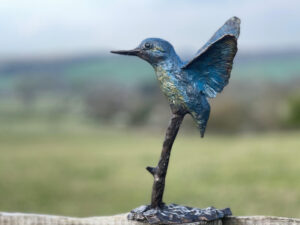
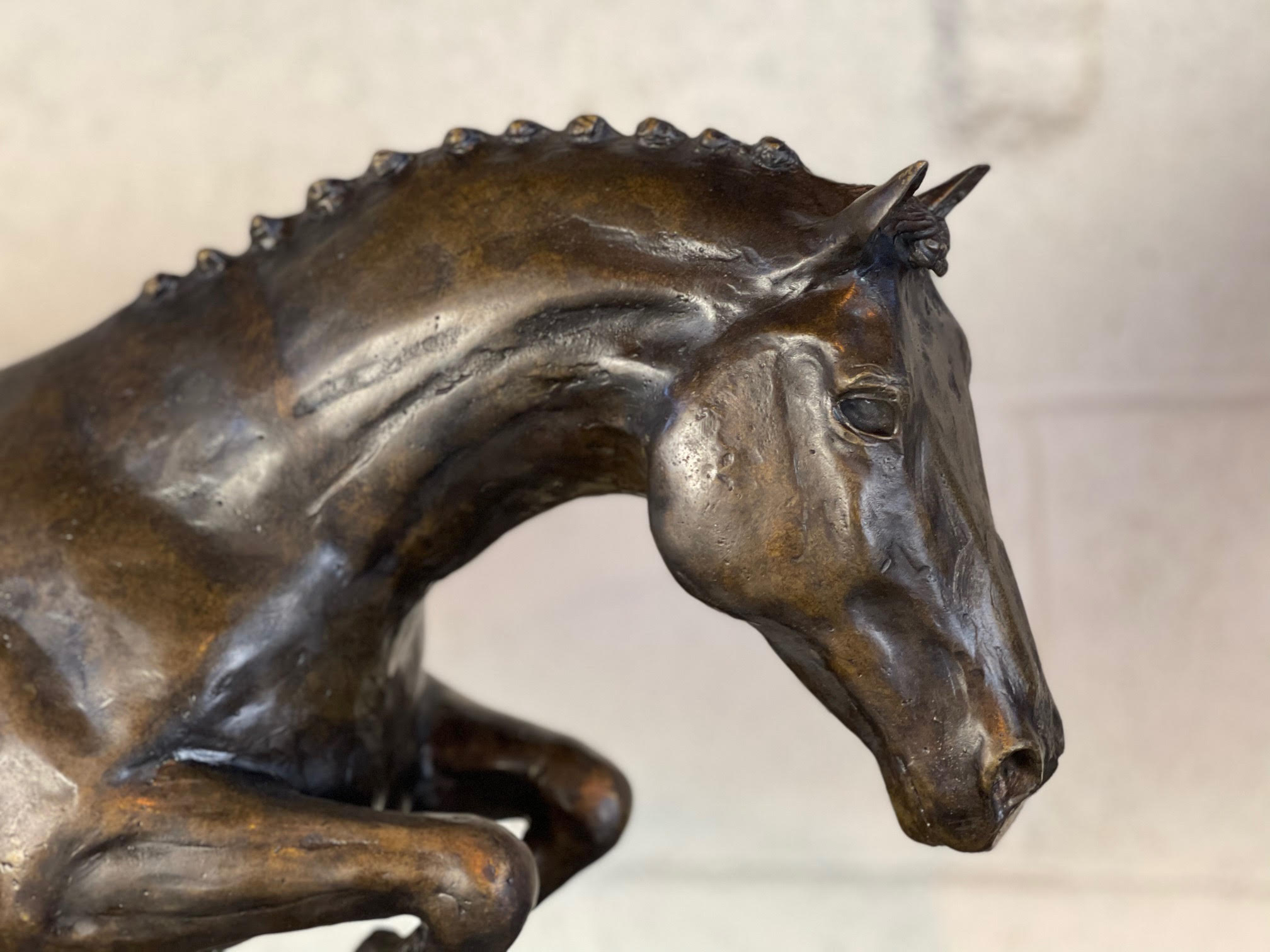
Bronze horse sculpture and wildlife pieces are commonly used to:
- Reinforce identity
- Connect with land use
- Introduce narrative
These sculptures bring movement and life into the garden, while remaining rooted in their surroundings.
Maintenance and Longevity
One of the key advantages of bronze is its minimal maintenance.
Over time:
- The patina develops naturally
- The material remains structurally sound
- The sculpture integrates into the landscape
For long-term installations, this reliability is essential.
Commissioning vs Selecting Sculpture
For many clients, the choice lies between:
Selecting an Existing Piece
- Immediate availability
- Defined form
Commissioning a Bespoke Sculpture
- Designed specifically for the space
- Tailored scale and placement
- Greater integration with landscape
For larger or high-end projects, commissioning is often preferred.
Creating a Lasting Feature
A bronze sculpture in the garden becomes more than an object.
It becomes:
- A focal point
- A reference within the landscape
- A piece that defines the space
Over time, it gains familiarity — becoming part of the environment itself.
Frequently Asked Questions
What is the best place to put a bronze sculpture in a garden?
Common placements include open lawns, pathways, and focal points where the sculpture can be viewed from multiple angles.
How large should a garden sculpture be?
This depends on the size of the space, but larger gardens typically require large-scale sculpture to maintain impact.
Does bronze change colour outdoors?
Yes — bronze develops a natural patina over time, enhancing its appearance.
Is bronze suitable for all weather conditions?
Yes — it is one of the most durable materials for outdoor sculpture.
Should I commission or buy a sculpture?
For high-end or large spaces, commissioning often provides a better result as the sculpture is designed specifically for the setting.
Final Thoughts
Bronze sculpture remains one of the most effective ways to define space within a garden.
It introduces structure, permanence, and a sense of intention — shaping how the landscape is experienced.
For those designing or refining outdoor spaces at the highest level, sculpture is not simply an addition.
It is a central element.
Enquire About Bronze Garden Sculpture
We create large-scale bronze and steel sculpture for private gardens, estates, and public art projects worldwide.
Each piece is designed in response to its environment — ensuring it holds presence, balance, and longevity.
Thinking about a bronze sculpture of your own?
Every piece leaves one studio. Designed, cast or hand-fabricated in silicon bronze, patinated and installed by the people who made it. Work ranges from tabletop pieces to landmark sculpture at fifteen metres and beyond.
See how a bronze sculpture is made, what it costs and how long it takes on our bronze sculpture page.
Explore bronze sculptureBook a call with CharlesOr speak to the studio on +44 (0) 1494 758 896