What Defines a Luxury Sculpture? Craftsmanship, Scale & Material
Introduction
The term luxury is often used, but rarely defined.
In sculpture, it does not refer simply to cost or size. A luxury sculpture is defined by a combination of craftsmanship, material, scale, and intent — qualities that place it beyond decorative objects and into the realm of lasting works of art.
Across private estates, architectural projects, and public spaces, luxury sculpture is used not as an accessory, but as a defining element — something that shapes how a space is experienced and remembered.
Craftsmanship at the Highest Level
At the core of any luxury sculpture is craftsmanship.
This is not mass production, but a process that involves:
- Hand-formed development
- Refinement of form and detail
- Skilled fabrication and finishing
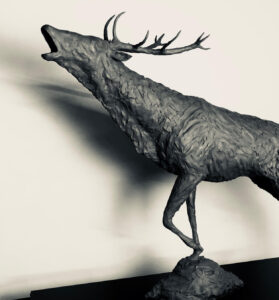
Whether created in clay before casting, or formed through steel fabrication, the process reflects the hand of the maker.
This level of attention is what distinguishes high-end sculpture from more widely available alternatives.
The Importance of Material
Material is central to how sculpture is perceived.
In luxury sculpture, two materials dominate:
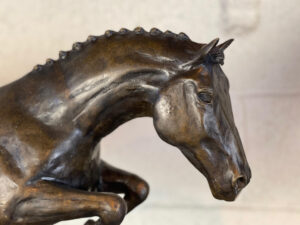
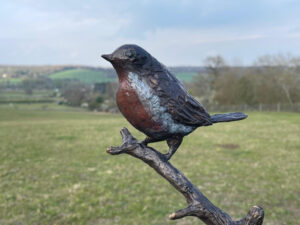
Bronze
- Associated with heritage and permanence
- Capable of capturing fine detail
- Develops a natural patina over time
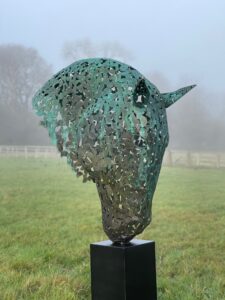
Steel & Oxidised Steel
- Architectural and contemporary
- Clean, defined forms
- Strong presence at scale
Often associated with corten-style finishes, oxidised steel introduces a modern material language into sculpture.
Together, these materials represent the highest level of outdoor and large-scale sculpture.
Scale and Presence
Luxury sculpture operates at a scale that allows it to define space.
A large-scale sculpture must:
- Hold presence across distance
- Interact with its surroundings
- Remain visually strong from multiple viewpoints
In estates and architectural environments, this often leads to:
- Statement pieces
- Landmark installations
- Sculptures designed specifically for their setting
Scale is not simply about size — it is about impact.
Designed for a Specific Environment
A defining characteristic of luxury sculpture is that it is rarely generic.
Instead, it is:
- Commissioned for a particular space
- Designed in response to landscape or architecture
- Integrated into its surroundings
This approach ensures that the sculpture does not feel introduced, but inherent to the environment.
Sculpture as an Investment
Luxury sculpture is often considered alongside architecture and landscape design as a long-term investment.
It offers:
- Material longevity
- Cultural value
- A defining feature within a property
Unlike temporary design elements, a large bronze or steel sculpture remains — contributing to both the identity and value of a space over time.
The Role of Sculpture in High-End Design
Across contemporary projects, sculpture is increasingly used to:
- Anchor open spaces
- Define key viewpoints
- Introduce contrast within design
This is particularly evident in:
- Private estates
- Luxury residential developments
- Hotels and commercial spaces
In these environments, sculpture becomes part of the overall design language.
Individuality and Commission
At the highest level, sculpture is rarely selected from a catalogue.
It is commissioned.
A bespoke sculpture allows for:
- Unique form and concept
- Control over scale and material
- Alignment with personal or architectural vision
This level of individuality is central to the definition of luxury.
Longevity and Permanence
A luxury sculpture is designed to endure.
Materials such as bronze and steel ensure that the work:
- Withstands environmental conditions
- Evolves naturally over time
- Maintains its presence for decades
This permanence is what separates sculpture from more temporary design elements.
Frequently Asked Questions
What makes a sculpture “luxury”?
A combination of craftsmanship, material, scale, and the level of design and execution.
Are luxury sculptures always large?
Not always, but large-scale sculpture is often associated with high-end projects due to its impact.
What materials are used in luxury sculpture?
Primarily bronze and steel, due to their durability and visual presence.
Is sculpture a good investment?
Yes — particularly large-scale or bespoke sculpture, which adds long-term value to a space.
Can luxury sculpture be commissioned?
Yes — most high-end sculpture is bespoke, designed specifically for the client and environment.
Final Thoughts
Luxury sculpture is defined not by excess, but by intention.
It reflects a considered approach to material, scale, and craftsmanship — creating work that is designed to last, both physically and culturally.
In the most refined environments, sculpture is not an addition.
It is a defining element.
Enquire About Sculpture
We create large-scale bronze and steel sculpture for private estates, architectural projects, and public art installations worldwide.
Each piece is designed to hold presence, craftsmanship, and longevity.