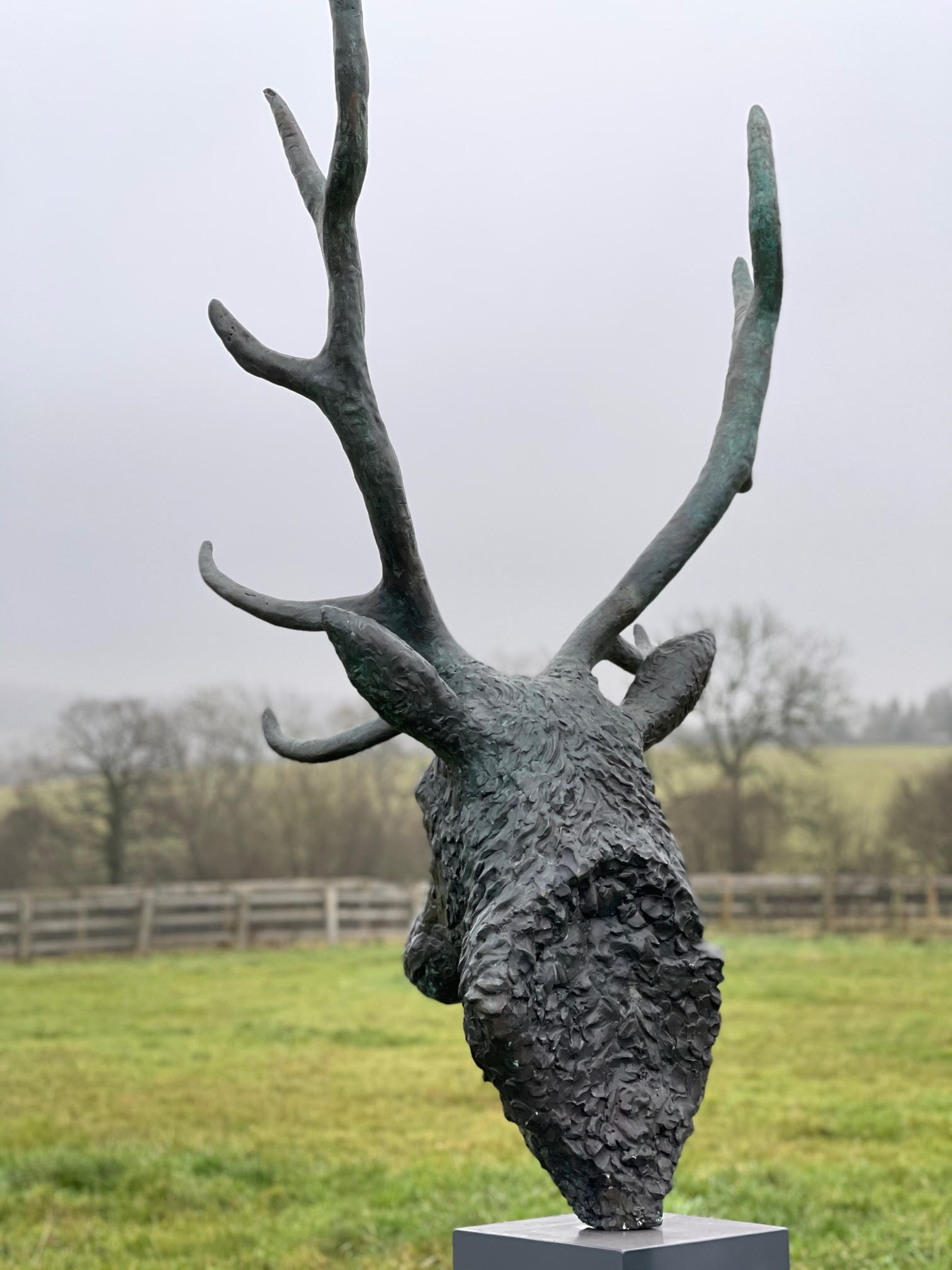
Introduction
In contemporary design, the most successful projects are those where every element is considered from the outset.
Sculpture is increasingly part of this process.
No longer introduced as a finishing detail, large-scale bronze and steel sculpture is now integrated alongside architecture and landscape design — contributing to how space is structured, experienced, and understood.
For architects and designers, this represents an opportunity: to use sculpture not simply as art, but as a defining component of the project itself.
Sculpture as Part of the Design Language
In high-end projects, sculpture is not treated separately from architecture.
It is used to:
- Reinforce geometry
- Balance built form
- Create visual endpoints
- Introduce material contrast
A large steel or bronze sculpture can act in the same way as:
- A wall
- A structural element
- A spatial divider
— shaping how a space is navigated and perceived.
Early Integration in the Design Process
The most successful outcomes occur when sculpture is considered early.
At concept stage, this allows for:
- Accurate scale planning
- Alignment with architectural intent
- Integration with landscape layout
Rather than adapting a sculpture to fit a completed space, the sculpture becomes part of the initial design thinking.
This approach is now standard in:
- Luxury residential projects
- Commercial developments
- Public realm design
Working with Scale and Proportion
Architectural projects often operate at scale.
Sculpture must respond accordingly.
A large-scale sculpture should:
- Relate to building height and mass
- Hold presence within open space
- Maintain proportion within the wider scheme
This requires careful consideration of:
- Sightlines
- Movement through the space
- Viewing distances
When correctly resolved, sculpture becomes integral — not dominant, but essential.
Material Selection: Bronze and Steel
Material plays a central role in integration.
Bronze Sculpture
- Adds warmth and depth
- Complements natural materials such as stone and planting
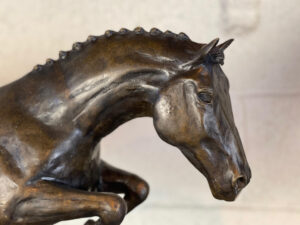
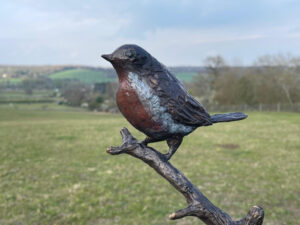
- Ideal for figurative or expressive work
Oxidised Steel Sculpture
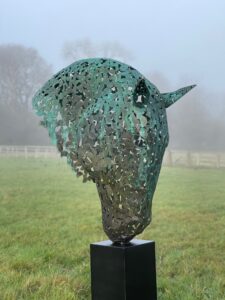
- Provides clean, architectural lines
- Often associated with corten-style finishes
- Works particularly well with contemporary materials such as glass, concrete, and steel
The combination of these materials allows for flexibility across different project styles — from traditional estates to modern developments.
Collaboration with Project Teams
Sculpture at this level is collaborative.
Projects typically involve:
- Architects
- Landscape designers
- Developers
- Engineers
This ensures:
- Structural feasibility
- Alignment with the design vision
- Seamless integration within the project
For larger installations, collaboration is essential — both creatively and technically.
Sculpture in Landscape Architecture
Within landscape design, sculpture is used to:
- Define focal points
- Break up open space
- Introduce vertical structure
- Guide movement through the environment
A bronze or steel sculpture can transform a landscape from passive to intentional — creating moments of interaction and visual focus.
Public Art and Commercial Projects
In commercial developments, sculpture plays a strategic role.
It contributes to:
- Identity of the development
- Sense of place
- User experience
A well-integrated public art sculpture becomes:
- A landmark
- A recognisable feature
- A long-term asset
For developers, this translates into both visual and commercial value.
Practical Considerations
Integrating sculpture into architectural projects requires attention to:
- Foundations and structural support
- Installation logistics
- Long-term durability
- Maintenance requirements
Materials such as bronze and oxidised steel are particularly suited due to their:
- Strength
- Longevity
- Minimal maintenance
These factors make them ideal for both private and public environments.
Designing for Longevity
Sculpture is one of the few elements within a project designed to last for decades.
This longevity influences:
- Material choice
- Scale
- Placement
A well-designed sculpture continues to hold relevance long after other elements of the project evolve.
Frequently Asked Questions
When should sculpture be considered in a project?
Ideally at the concept stage, allowing for full integration with architecture and landscape.
What materials are best for architectural sculpture?
Bronze and oxidised steel are most commonly used due to their durability and visual qualities.
Can sculpture be designed specifically for a project?
Yes — most large-scale sculptures are bespoke, developed in response to the project.
Do sculptors work with architects and designers?
Yes — collaboration is essential for successful integration.
Can sculpture be used in commercial developments?
Yes — it is widely used in public art and commercial projects to enhance identity and value.
Final Thoughts
Sculpture is no longer a secondary element in design.
It is a tool — one that shapes space, defines structure, and contributes to how environments are experienced.
For architects and designers working at the highest level, integrating bronze and steel sculpture offers an opportunity to create projects that are not only functional, but enduring.
Enquire About Sculpture for Your Project
We work with architects, landscape designers, and developers to create large-scale bronze and steel sculpture for private and commercial projects worldwide.
Each piece is designed to integrate seamlessly into its environment — ensuring it delivers both visual impact and long-term value.