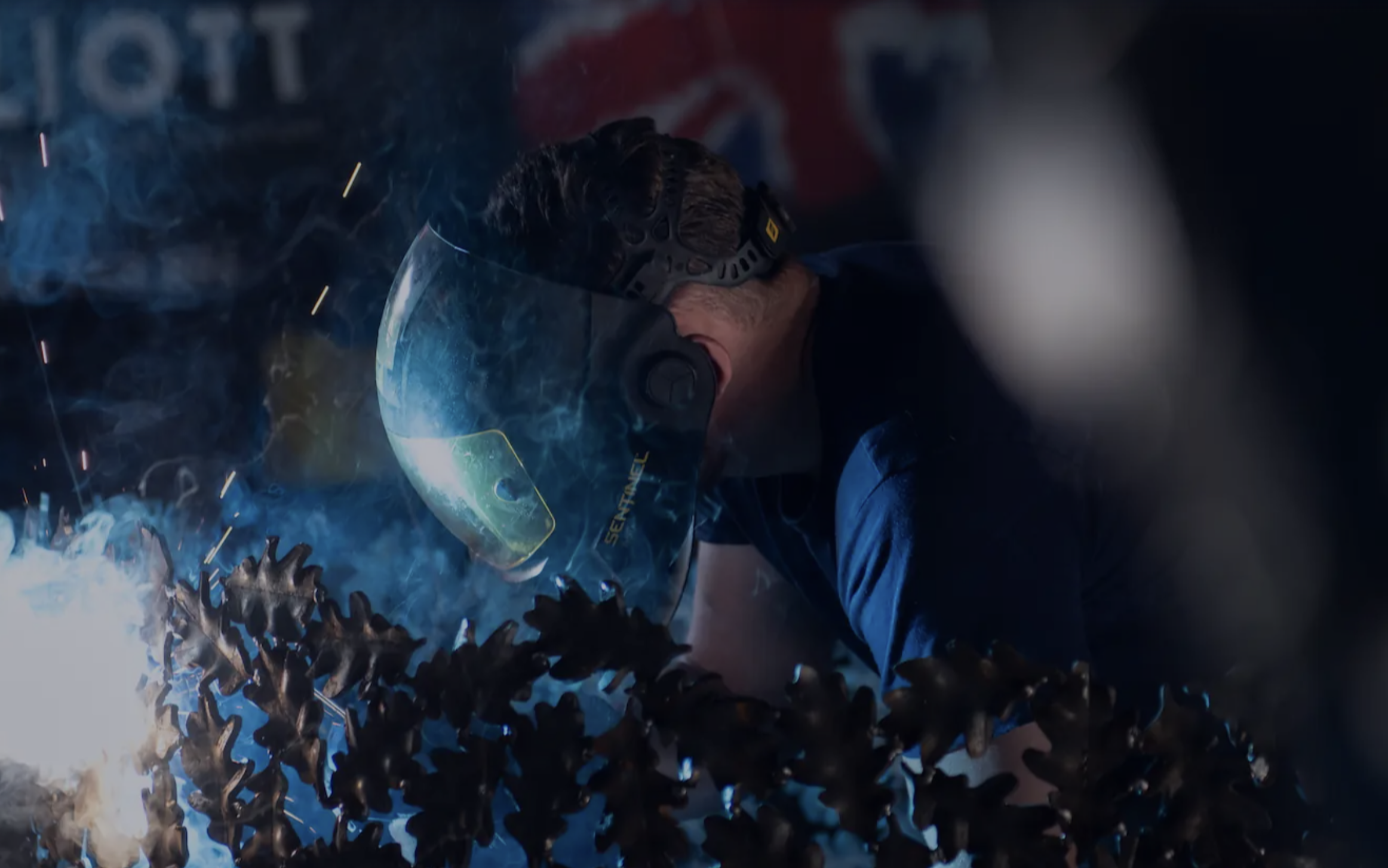
Not Just Art — A Strategic Decision
In commercial projects, every element is considered for its return.
Architecture defines structure.
Landscape softens it.
But increasingly, sculpture defines identity.
A large-scale public art sculpture is not introduced as decoration. It is used deliberately — to elevate a development, to create recognition, and to leave a lasting impression on those who experience the space.
Why Developers Commission Sculpture
At a certain level, developments compete on more than function.
They compete on:
— presence
— distinctiveness
— experience
Sculpture contributes directly to this.
A well-placed bronze or steel sculpture can:
- Create a recognisable landmark
- Increase perceived value
- Enhance the overall environment
For developers, this is not simply aesthetic — it is commercial.
Where Sculpture Sits Within a Project
Sculpture is most effective when considered early.
Not after completion — but during design.
It is typically integrated within:
— entrance approaches
— central courtyards
— public-facing spaces
— landscape focal points
In these positions, the sculpture becomes part of how the development is navigated and understood.
The Role of Scale
Commercial environments demand presence.
A sculpture must:
- Be visible across distance
- Hold its own against architecture
- Maintain clarity from multiple viewpoints
This is why large-scale sculpture is essential.
At smaller scales, impact is lost.
At the correct scale, the sculpture defines the space.
Material Selection in Public Art
Material is not just a design choice — it is a long-term decision.
Bronze
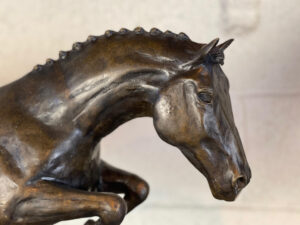
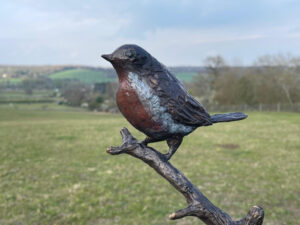
— associated with permanence and cultural value
— suitable for detailed or figurative work
— ages naturally through patina
Steel & Oxidised Steel
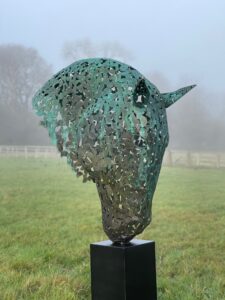
— strong, architectural presence
— often associated with corten-style finishes
— suited to contemporary developments
Both materials are widely used in public art sculpture due to their durability and ability to perform in outdoor environments.
Working with Architects and Design Teams
Public art is rarely a standalone process.
It involves collaboration between:
- Sculptor
- Architect
- Landscape designer
- Developer
This ensures:
— alignment with the overall design
— structural feasibility
— integration into the wider project
At this level, sculpture is part of the design language — not separate from it.
From Concept to Installation
The process follows a clear structure:
— Initial brief and consultation
Understanding the project and its objectives
— Concept development
Establishing scale, material, and form
— Design refinement
Aligning with project requirements
— Fabrication or casting
Creating the sculpture in its final material
— Installation
Positioning the work within the development
Each stage is coordinated to ensure the sculpture delivers both visually and practically.
Public Art as a Long-Term Asset
Unlike temporary features, sculpture remains.
It contributes to:
- The identity of the development
- The experience of visitors and residents
- The long-term perception of quality
A public art sculpture becomes associated with the location itself — a point of recognition that continues beyond the initial project.
International Projects
Public art commissions are increasingly international.
Developments across:
— the UK
— Europe
— the United States
Regularly work with sculptors beyond their local region.
This is particularly true for:
- Large bronze sculpture
- Steel public art
- Bespoke installations
The process is structured to allow for seamless collaboration and delivery across borders.
— Key Considerations —
When should sculpture be included in a project?
At the earliest design stages, where it can be fully integrated.
What size should a public art sculpture be?
Large enough to hold presence within the scale of the development.
What materials are best for public art?
Bronze and steel are the most widely used due to durability and visual impact.
Does sculpture add value to a development?
Yes — both in perception and long-term identity.
Can projects be delivered internationally?
Yes — including design, fabrication, and installation.
A Different Way to Define a Space
In commercial projects, many elements are designed to perform.
Sculpture is one of the few that performs both visually and culturally.
It defines space not through function, but through presence — creating something that remains long after the development is complete.
Enquiries
For public art sculpture commissions, including large-scale bronze and steel work for developments, hotels, and commercial projects, we welcome enquiries from clients worldwide.