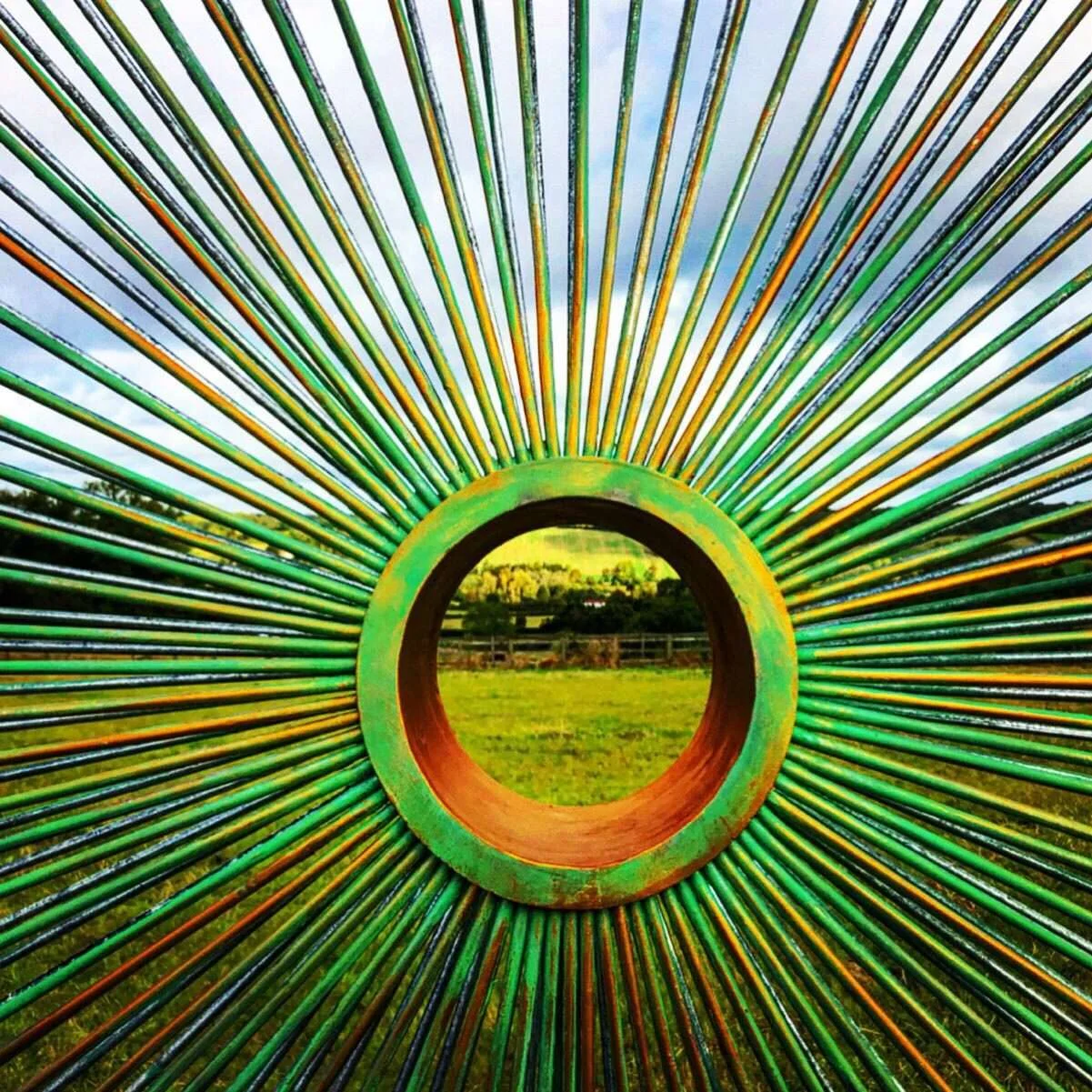
Luxury Bronze Sculpture: Contemporary Craftsmanship in Large-Scale Sculpture
Introduction
In contemporary sculpture, few materials carry the same weight — both physically and culturally — as bronze.
Across private estates, architectural landscapes, and public art projects, luxury bronze sculpture continues to define the highest level of craftsmanship. It is a material associated not only with permanence, but with a lineage of making that stretches from classical sculpture through to modern large-scale work.
Today, within the upper tier of sculptural practice, bronze is used not simply for tradition, but for its ability to translate movement, form, and presence into something enduring.
The Role of Bronze in Contemporary Sculpture
While contemporary sculpture spans a wide range of materials, bronze remains central to work that demands:
- Longevity
- Detail
- Structural integrity
- Cultural weight
Across the industry, leading sculptors working at scale continue to favour bronze for projects that require both artistic expression and architectural permanence.
This is particularly evident in:
- Large garden sculpture
- Public art installations
- Equestrian and figurative work
In these contexts, bronze offers a level of refinement that alternative materials struggle to achieve.
Craftsmanship and Process
At the highest level, bronze sculpture is defined by its process.
The transition from clay to bronze — through the lost wax casting method — remains one of the most refined techniques in sculpture. It allows the artist’s hand to be preserved in the final material, retaining both detail and intention.
This approach is central to contemporary sculptors working within the tradition of:
- Figurative sculpture
- Wildlife and equestrian work
- Large-scale commissioned pieces
The process itself becomes part of the value — not only in the finished sculpture, but in the level of skill required to produce it.
Scale and Presence in the Landscape
In high-end environments, sculpture is rarely small.
A large bronze sculpture is often designed to:
- Anchor a landscape
- Define a space
- Create a focal point within architecture
Across estates and designed gardens, sculpture operates at a scale that allows it to interact with:
- Distance
- Light
- Surrounding structure
This relationship between sculpture and environment is central to contemporary landscape design, where art is integrated into space rather than applied to it.
Equestrian and Figurative Sculpture
Within luxury sculpture, equestrian and figurative work remain among the most sought-after.
Bronze is uniquely suited to these subjects, allowing for:
- Anatomical accuracy
- Movement and tension
- Surface detail and expression
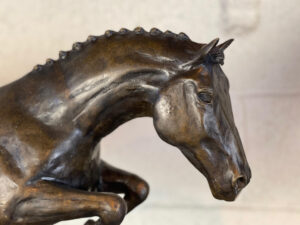
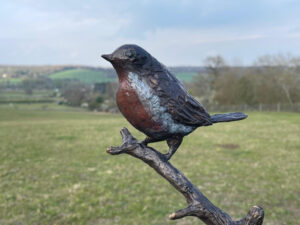
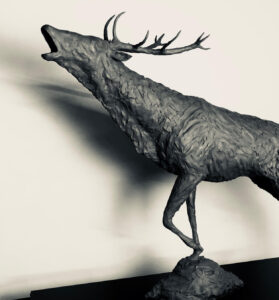
Sculptors working in this area are often recognised for their ability to capture not just form, but character — a quality that defines high-end bronze horse sculpture and wildlife work.
For collectors and estates, these pieces often carry personal significance, becoming both artistic and emotional investments.
Contemporary vs Traditional Form
Modern bronze sculpture sits between tradition and innovation.
While the material itself remains rooted in history, contemporary sculptors often explore:
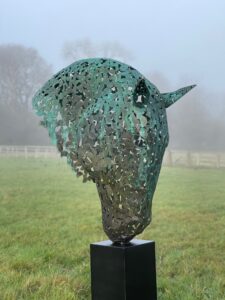
- Simplified or abstracted forms
- Architectural compositions
- Interaction with modern landscapes
This balance allows bronze to remain relevant within:
- Contemporary architecture
- Minimalist landscapes
- Large-scale public environments
Rather than being confined to traditional subjects, it continues to evolve alongside design.
Bronze Sculpture in the Luxury Market
Within the high-end market, bronze sculpture occupies a distinct position.
It is associated with:
- Permanence
- Craftsmanship
- Investment value
Collectors and clients commissioning luxury bronze sculpture are often seeking:
- A defining piece for a property
- A long-term installation
- A work that carries both artistic and material weight
This positions bronze at the top end of the sculpture market, particularly for bespoke commissions.
Relationship to Architecture and Design
In contemporary projects, sculpture is increasingly considered alongside architecture.
It is used to:
- Reinforce spatial design
- Create visual anchors
- Introduce material contrast
This is particularly relevant in projects where:
- Landscape and building are closely integrated
- Large-scale sculpture is required to balance space
In these contexts, bronze sculpture becomes part of a wider design language — interacting with materials such as stone, glass, and steel.
A Material That Endures
One of the defining qualities of bronze is its ability to endure.
Over time, it develops a patina that enhances rather than diminishes its appearance. This allows sculpture to:
- Age naturally within its environment
- Integrate into landscape
- Maintain its presence over decades
For clients commissioning work at scale, this longevity is essential.
Frequently Asked Questions
Why is bronze used for luxury sculpture?
Because of its durability, detail, and historical significance, bronze is considered the premium material for high-end sculpture.
What makes a bronze sculpture valuable?
Value comes from craftsmanship, scale, material, and the reputation of the sculptor.
Is bronze suitable for large outdoor sculpture?
Yes — it is one of the most durable materials available for outdoor use.
What types of sculpture are made in bronze?
Commonly equestrian, wildlife, figurative, and large-scale public art sculpture.
Does bronze sculpture last outdoors?
Yes — bronze can last for centuries with minimal maintenance.
Final Thoughts
Luxury bronze sculpture sits at the intersection of tradition, craftsmanship, and contemporary design.
It is a material that carries history, yet continues to define modern sculpture at scale — used by artists working across private, commercial, and public projects.
For those seeking to commission or acquire sculpture at the highest level, bronze remains the benchmark — a material capable of translating form into something lasting.
Enquire About a Bronze Sculpture
We create large-scale bronze and steel sculpture for private clients, estates, and public art projects worldwide.
Each piece is designed with scale, material, and environment in mind — ensuring it holds its presence for generations.