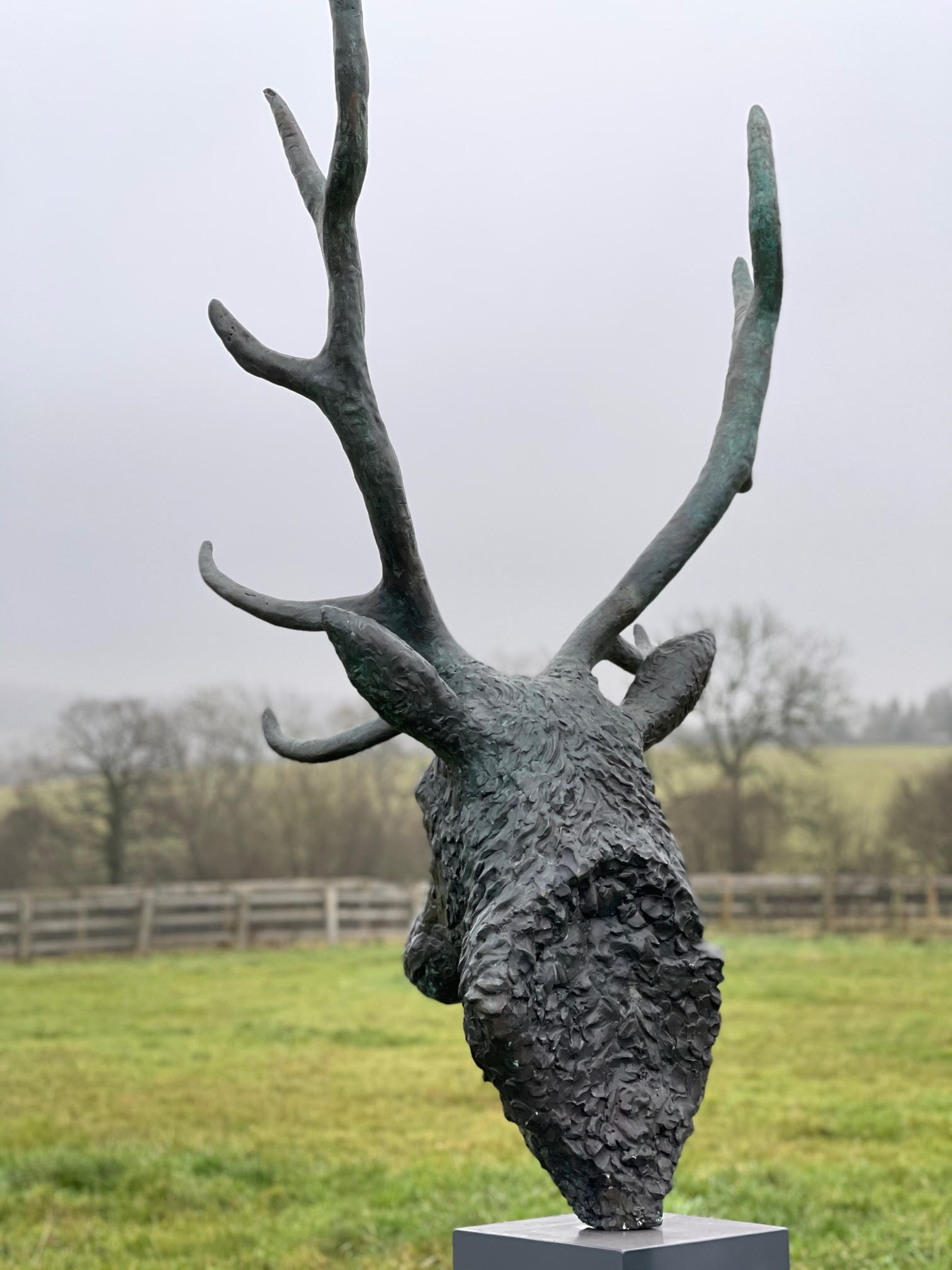
Every bronze sculpture begins not in metal, but in clay.
Before the weight, the permanence, and the final patina, there is a quiet, highly skilled process of shaping form by hand — where movement, character, and emotion are first brought to life.
For collectors, estate owners, and clients commissioning a bespoke bronze sculpture, understanding this journey reveals what truly sets a handcrafted piece apart. It is not simply the finished sculpture that holds value, but the process, craftsmanship, and artistic intuition embedded within it.
The Beginning: Sculpting in Clay
At the heart of every sculpture is the artist’s hand.
Working in clay allows for a level of expression that no other material offers. It is immediate, responsive, and deeply tactile. Whether sculpting a bronze horse, a wildlife subject, or a large contemporary form, this stage defines the entire piece.
Subtle details are formed here:
- The tension in a muscle
- The movement of a stride
- The turn of a head
- The balance and proportion of the composition
For equestrian and wildlife sculpture in particular, this stage is critical. Capturing the spirit and anatomy of a horse requires not only technical skill, but a deep understanding of the subject itself.
It is in clay that the sculpture first becomes alive.
Refining Form and Movement
As the sculpture develops, the clay model is refined repeatedly.
This is where experience matters most. For high-end bronze sculpture, clients are not simply buying an object — they are commissioning a piece that must feel:
- Natural
- Balanced
- Timeless
For larger works, especially large bronze sculptures for estates or public art, scale is carefully considered at this stage. The sculpture must hold its presence from every angle and distance.
This process cannot be rushed. It is a dialogue between artist and material — one that defines the quality of the final bronze.
The Transition: From Clay to Mould
Once the clay sculpture is complete, it enters a more technical phase.
A mould is carefully taken from the original model. This stage preserves every detail — from the smallest surface texture to the overall form.
For clients, this is a pivotal moment:
- The design is finalised
- The sculpture is ready to be translated into bronze
- The piece begins its transformation from concept to permanent form
The Lost Wax Bronze Casting Process
The casting of bronze sculpture is an ancient process, refined over thousands of years.
Known as the lost wax process, it is still used today for the finest sculptures.
The process includes:
- A wax version is created from the mould
- The wax is encased in a heat-resistant shell
- The wax is melted away — leaving a hollow cavity
- Molten bronze is poured into the space
- Once cooled, the outer shell is removed
- The bronze is revealed and refined
This method allows for exceptional detail and strength, making it ideal for large-scale bronze sculpture and intricate figurative work.
Each cast is a continuation of the original clay — preserving the artist’s hand within the metal itself.
Finishing & Patination
Once cast, the bronze sculpture is far from complete.
The surface is carefully worked, welded, and refined. Sections are joined seamlessly, and the sculpture is brought to its final form.
The final stage is patination — the application of chemicals and heat to create the sculpture’s finish.
This can range from:
- Deep, rich browns
- Warm golden tones
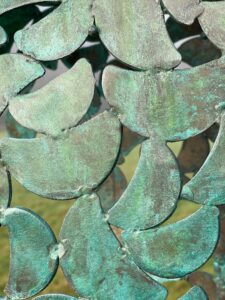
- Verdigris greens
- Dark contemporary finishes
The patina is not just aesthetic — it protects the sculpture and allows it to age beautifully over time.
No two finishes are ever identical, adding to the uniqueness of each piece.
Why This Process Defines Value
For those commissioning a luxury bronze sculpture, the process is what separates true artistry from mass production.
Every stage involves:
- Skilled craftsmanship
- Time-intensive work
- Artistic judgement
Unlike fabricated or machine-made pieces, a bronze sculpture created through this method carries:
- The mark of the artist
- The integrity of traditional techniques
- A level of detail that cannot be replicated
This is why bronze sculpture remains the material of choice for:
- Private collectors
- Country estates
- Public art installations
- Equestrian and wildlife commissions
Bronze Sculpture as a Lasting Legacy
One of the defining qualities of bronze is its permanence.
A sculpture created today can endure for centuries, becoming part of a landscape, a building, or a family’s story.
For many clients, commissioning a sculpture is about more than aesthetics. It is about:
- Marking a moment
- Honouring a subject
- Creating something that will outlast generations
From a racehorse bronze sculpture to a large public art installation, each piece becomes a lasting presence — rooted in both craftsmanship and meaning.
Frequently Asked Questions
Why is clay used before bronze?
Clay allows the artist to shape and refine the sculpture freely before committing to the final bronze cast.
What is the lost wax process in bronze sculpture?
It is a traditional casting method where a wax model is replaced with molten bronze to create a highly detailed final piece.
How long does it take to create a bronze sculpture?
From clay modelling to final casting, the process typically takes several months, depending on scale and complexity.
Is every bronze sculpture unique?
Yes — even when cast from the same mould, each piece is finished and patinated by hand, making it unique.
Why are bronze sculptures so valuable?
Their value comes from:
- Time-intensive craftsmanship
- Material durability
- Artistic skill
- Longevity
Final Thoughts
The journey from clay to bronze is one of transformation.
It is where raw material becomes form, and form becomes something permanent — a sculpture that holds presence, weight, and meaning.
For those seeking to commission a bespoke bronze sculpture, understanding this process reveals what truly defines its value. Not just the finished piece, but the artistry and tradition behind it.
Enquire About a Bronze Sculpture Commission
If you are considering a custom bronze sculpture, whether for a private estate, equestrian project, or large-scale installation, we welcome enquiries from clients worldwide.
Each sculpture begins with an idea — and through craftsmanship, becomes something lasting.
Thinking about a bronze sculpture of your own?
Every piece leaves one studio. Designed, cast or hand-fabricated in silicon bronze, patinated and installed by the people who made it. Work ranges from tabletop pieces to landmark sculpture at fifteen metres and beyond.
See how a bronze sculpture is made, what it costs and how long it takes on our bronze sculpture page.
Explore bronze sculptureBook a call with CharlesOr speak to the studio on +44 (0) 1494 758 896