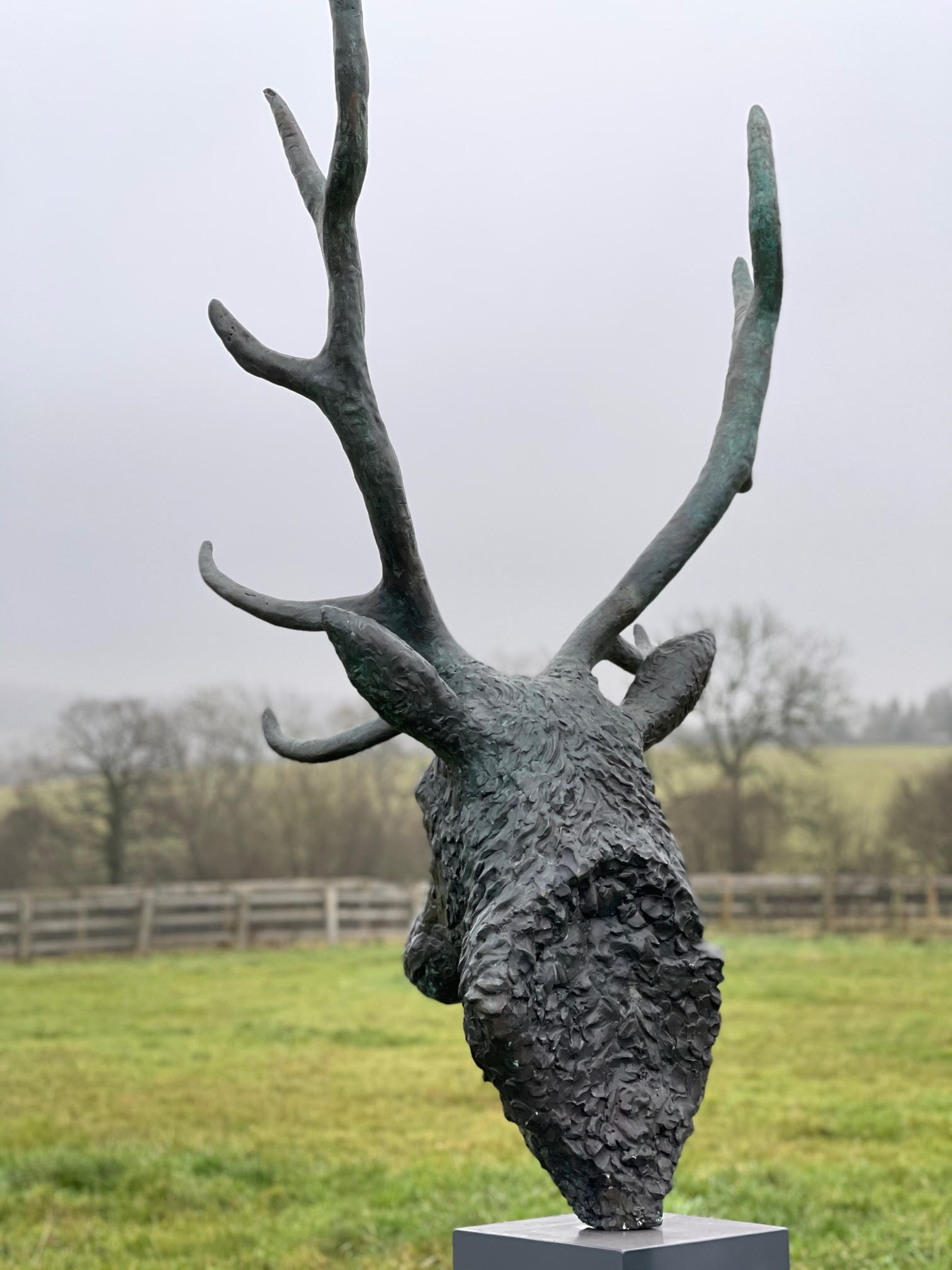
Commissioning a sculpture is unlike acquiring any other object.
It is not simply a purchase, but a process — one that moves from concept to creation, and ultimately to a permanent presence within a landscape or architectural setting.
For private clients, collectors, and developers, commissioning a large-scale bronze or steel sculpture offers the opportunity to create something entirely unique. A piece that responds not only to personal vision, but to its environment — designed specifically for where it will exist.
Why Commission a Sculpture?
At the highest level, sculpture is rarely chosen from stock.
Instead, it is commissioned to:
- Reflect a specific place
- Align with architecture or landscape
- Capture a subject of personal or cultural significance
A bespoke sculpture commission allows for complete control over:
- Scale
- Material
- Form
- Placement
This is particularly important for:
- Private estates
- Equestrian properties
- Public art projects
- High-end residential developments
The Commissioning Process
While each project is unique, the process typically follows a structured path.
1. Initial Consultation
Every project begins with a conversation.
This stage focuses on:
- Understanding the client’s vision
- Reviewing the site and environment
- Discussing scale, material, and intent
For larger projects, this may involve collaboration with:
- Architects
- Landscape designers
- Developers
2. Concept Development
The sculpture begins to take form.
This may include:
- Sketches or visual direction
- Reference imagery
- Early design concepts
At this stage, the focus is on ensuring the sculpture aligns with:
- The surrounding space
- The client’s objectives
- The overall design of the project
3. Sculptural Development
For bronze sculpture, this involves creating the work in clay.
This is where:
- Form is refined
- Movement is established
- Detail is developed
For steel sculpture, this stage may involve:
- Structural design
- Scale modelling
- Engineering considerations
This is one of the most important stages, where the sculpture is fully realised before fabrication.
4. Fabrication in Bronze or Steel
The sculpture is then created in its final material.
Bronze Sculpture
- Cast using the traditional lost wax process
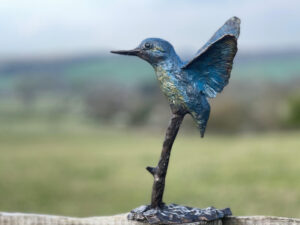
- Finished and patinated by hand
Steel Sculpture
- Fabricated and formed
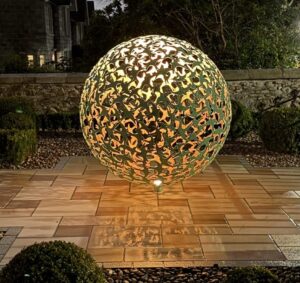
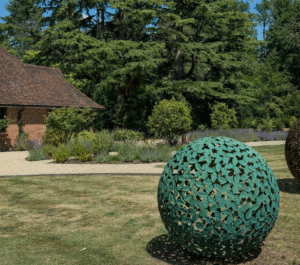
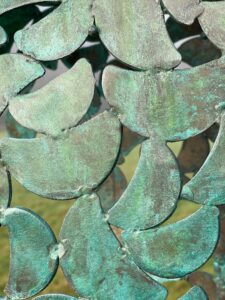
- Surface developed into an oxidised finish
At this stage, craftsmanship and technical precision come together to produce the final work.
5. Delivery and Installation
For large-scale sculpture, installation is a critical part of the process.
This may include:
- Transport logistics (often international)
- Site preparation
- Structural installation
The sculpture is positioned with consideration of:
- Sightlines
- Landscape
- Architectural context
Timescales for Commissioning Sculpture
A common question is:
How long does a sculpture commission take?
Typical timelines:
- Smaller works: 2–4 months
- Mid-scale sculpture: 4–6 months
- Large-scale or public art: 6–12 months
This reflects the level of craftsmanship and coordination required, particularly for complex or large installations.
Materials: Choosing Bronze or Steel
Material selection is central to the outcome of a project.
Bronze Sculpture
Best suited for:
- Figurative and equestrian work
- Detailed, expressive forms
- Traditional and heritage settings
Steel & Oxidised Steel Sculpture
Best suited for:
- Architectural environments
- Contemporary landscapes
- Large-scale structural forms
Often associated with corten-style sculpture, oxidised steel offers a modern, evolving surface.
Working with Landscape and Architecture
A successful sculpture does not exist in isolation.
It is designed in relation to:
- Space
- Movement
- Light
- Surrounding materials
For this reason, many high-end projects involve collaboration between:
- Sculptor
- Architect
- Landscape designer
This ensures the sculpture becomes part of the overall design — not an addition to it.
Investment and Value
Commissioning a sculpture represents a long-term investment.
Clients are typically investing in:
- Craftsmanship
- Material
- Design
- Permanence
Unlike temporary design elements, a large bronze or steel sculpture becomes a fixed part of a property or development — contributing to both aesthetic and financial value over time.
A Personal Process
For many clients, the most significant aspect of commissioning a sculpture is its personal nature.
Whether:
- A bronze horse sculpture
- A landscape centrepiece
- A public art installation
Each piece is created in response to a specific brief, making it entirely unique.
Frequently Asked Questions
Can I commission a sculpture for a specific space?
Yes — most large-scale sculptures are designed specifically for their intended environment.
Do I need drawings or ideas beforehand?
Not necessarily. The process begins with discussion and develops from there.
Can sculpture be delivered internationally?
Yes — large-scale sculptures are regularly shipped and installed worldwide.
What is the cost of a sculpture commission?
Costs vary depending on scale and complexity, typically ranging from £25,000 to £500,000+.
How involved is the client in the process?
Clients are involved throughout key stages, particularly during concept and design.
Final Thoughts
Commissioning a sculpture is a process of creation — one that moves from idea to form, and from form to something permanent.
For those working at the level of large-scale bronze and steel sculpture, the result is not simply an object, but a defining feature within a landscape or architectural setting.
It is this combination of material, scale, and intent that makes commissioned sculpture one of the most enduring forms of art.
Enquire About a Sculpture Commission
We create large-scale bronze and steel sculpture for private clients, estates, and public art projects worldwide.
Each commission is developed in response to its environment — ensuring it is both visually resolved and built to last.
Thinking about a bronze sculpture of your own?
Every piece leaves one studio. Designed, cast or hand-fabricated in silicon bronze, patinated and installed by the people who made it. Work ranges from tabletop pieces to landmark sculpture at fifteen metres and beyond.
See how a bronze sculpture is made, what it costs and how long it takes on our bronze sculpture page.
Explore bronze sculptureBook a call with CharlesOr speak to the studio on +44 (0) 1494 758 896