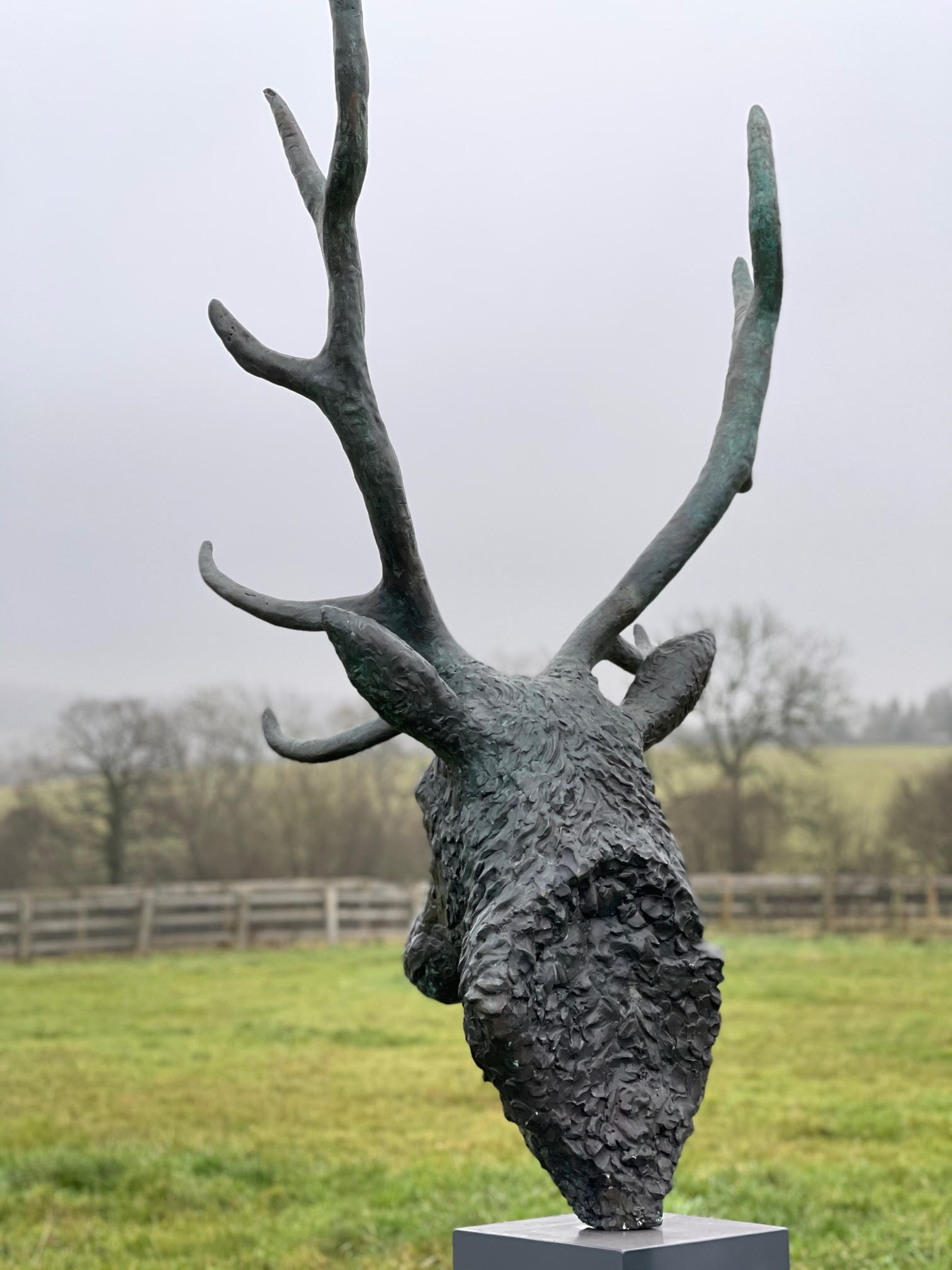
Countryside & Wildlife Sculpture: Bronze Art for Estates and Rural Landscapes
Introduction
In rural landscapes and private estates, sculpture takes on a different role.
It is not placed to decorate, but to belong — to reflect the land, its use, and its character. Within these environments, bronze wildlife sculpture has become a natural extension of the countryside, offering a way to introduce art without disrupting the setting.
From expansive estates to more intimate rural gardens, sculpture provides a point of connection between land, nature, and design.
Reflecting the Landscape
In countryside settings, the success of a sculpture depends on its relationship to the environment.
Unlike urban or architectural spaces, rural landscapes are:
- Open
- Organic
- Continuously changing
A sculpture placed within this context must:
- Sit naturally within its surroundings
- Avoid feeling imposed
- Respond to the scale of the land
Subjects such as wildlife and countryside animals allow the sculpture to feel rooted in place — reinforcing rather than interrupting the landscape.
Popular Subjects in Countryside Sculpture
Within estates and rural properties, certain subjects are consistently chosen.
These often include:
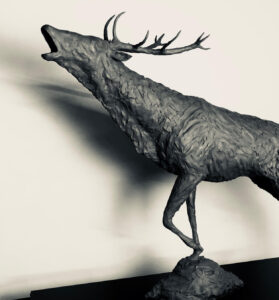
- Deer and stag sculpture
- Hares and wildlife forms
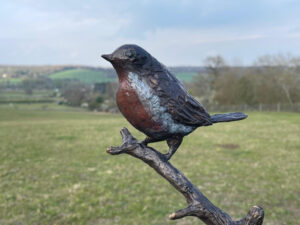
- Birds and countryside species
- Sporting subjects linked to land use
These works reflect:
- The identity of the estate
- The lifestyle of the owner
- The natural environment itself
A bronze wildlife sculpture becomes part of the story of the land.
Sculpture in Sporting Estates
For many estates, sculpture is closely linked to sporting life.
This may include:
- Shooting estates
- Managed countryside land
- Heritage properties
In these environments, sculpture often reflects:
- Tradition
- Craftsmanship
- Connection to the land
A well-placed piece can mark:
- Key areas of the estate
- Entrances or approaches
- Spaces of significance
Bronze as the Natural Choice
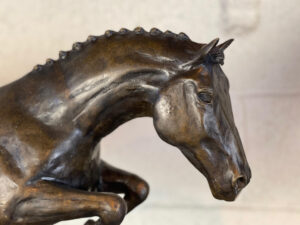
Bronze is particularly suited to countryside sculpture.
It offers:
- Durability in outdoor environments
- A surface that evolves through natural patina
- A material that sits comfortably within organic surroundings
Over time, a bronze sculpture develops tones that complement:
- Planting
- Soil
- Seasonal change
This allows it to integrate seamlessly into the landscape.
Scale Within Open Landscapes
Rural settings often require careful consideration of scale.
In larger estates:
- Small sculptures can disappear
- Large-scale works are needed to hold presence
A large bronze sculpture positioned within open land can:
- Anchor the space
- Create a focal point across distance
- Define key areas of the landscape
Scale must always respond to the size of the environment.
Placement in the Countryside
Placement in rural settings differs from formal gardens.
Common approaches include:
- Positioning within natural clearings
- Placing sculpture along paths or tracks
- Using elevation to increase visibility
- Integrating with existing landscape features
A sculpture should feel discovered, rather than placed — part of the land itself.
Wildlife Sculpture and Movement
Wildlife subjects bring a sense of movement into the landscape.
Whether a stag standing alert or hares in motion, the sculpture introduces:
- Life
- Energy
- Narrative
In bronze, this movement is preserved — creating a contrast between the stillness of the material and the implied motion of the subject.
A Balance Between Art and Environment
The most successful countryside sculptures strike a balance.
They are:
- Visible, but not dominant
- Detailed, but not overwhelming
- Integrated, but still distinct
This balance allows the sculpture to enhance the landscape without competing with it.
A Long-Term Presence
Countryside sculpture is not temporary.
A bronze wildlife sculpture is designed to:
- Withstand the elements
- Remain in place for decades
- Evolve with the landscape
Over time, it becomes familiar — part of the estate itself.
Frequently Asked Questions
What sculpture works best in rural landscapes?
Wildlife and countryside subjects tend to integrate most naturally within these environments.
Why is bronze used for countryside sculpture?
Because it is durable, low maintenance, and develops a natural patina over time.
How large should sculpture be for an estate?
This depends on the scale of the land, but larger landscapes often require large-scale sculpture.
Can sculpture be placed in open fields?
Yes — but placement should consider visibility, scale, and how the sculpture is approached.
Does sculpture require maintenance outdoors?
Bronze requires minimal maintenance and is well suited to outdoor conditions.
Final Thoughts
In countryside settings, sculpture is most effective when it feels connected to the land.
Through subject, material, and placement, it becomes more than an object — it becomes part of the environment itself.
A bronze wildlife sculpture, when carefully considered, offers a way to introduce art into the landscape without losing the character that defines it.
Enquire About Countryside Sculpture
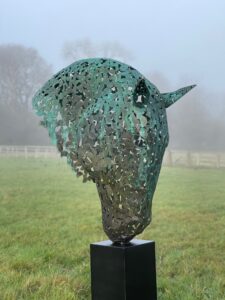
We create large-scale bronze and steel sculpture for private estates, rural landscapes, and countryside properties worldwide.
Each piece is designed to sit naturally within its environment — ensuring it reflects both the land and the client’s vision.