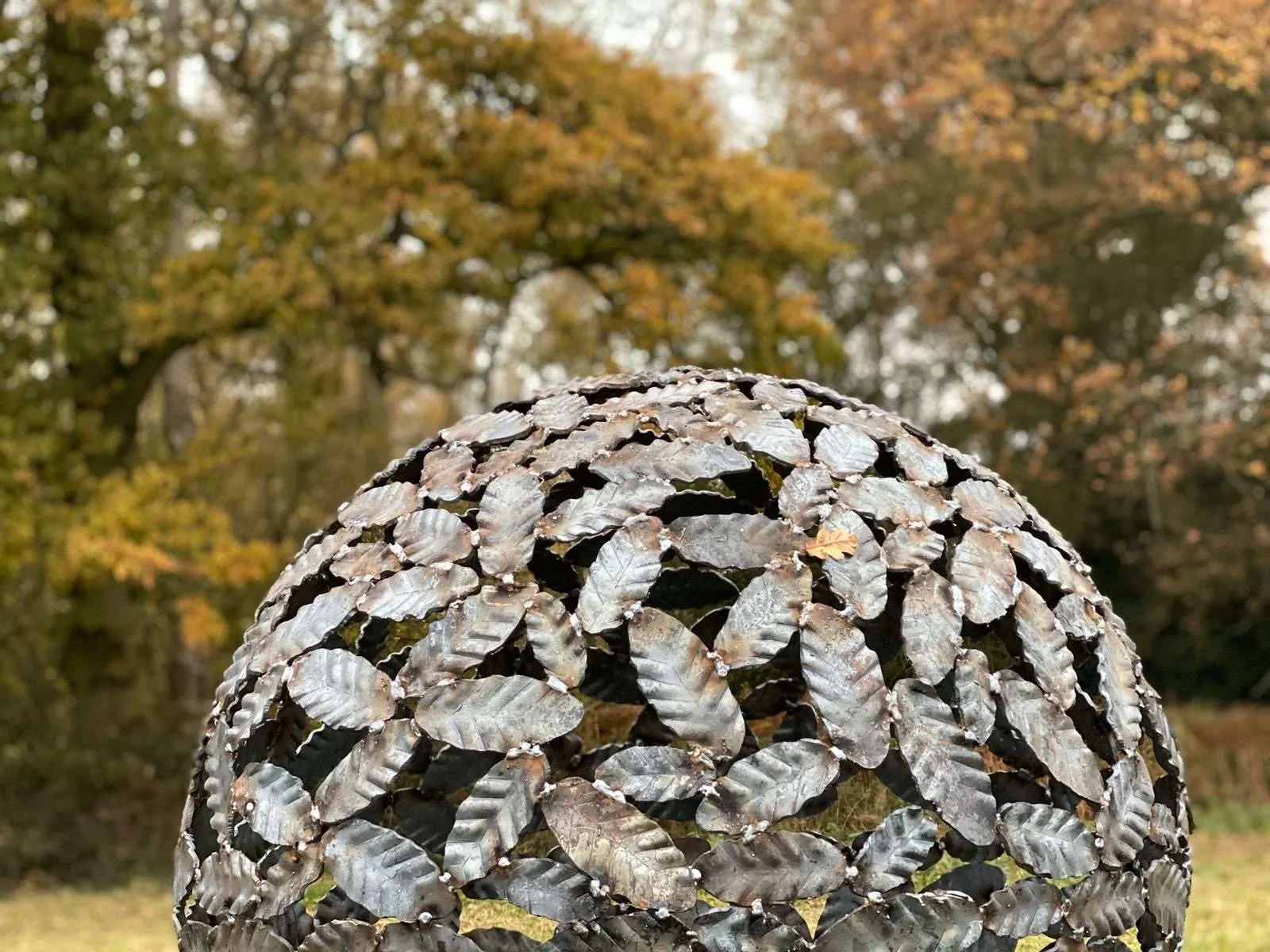
The most successful sculptures are not placed into a landscape — they are created for it.
Across private estates and large residential properties, bespoke bronze sculpture is increasingly commissioned as a defining feature. Not simply as decoration, but as a permanent element that shapes how a space is experienced.
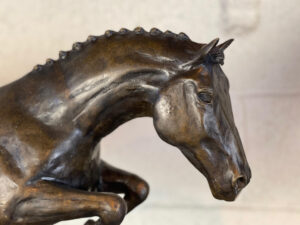
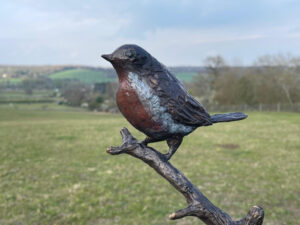
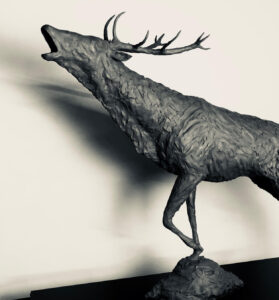
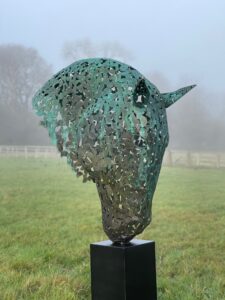
This project reflects that approach: the creation of a large-scale bronze sculpture, designed specifically for a private estate, where scale, material, and placement were considered from the outset.
Understanding the Landscape
Every commission begins with the setting.
In this case, the estate presented:
- Open lawns with long sightlines
- Mature planting and natural boundaries
- A balance between formal structure and countryside surroundings
Rather than introducing a sculpture as an isolated object, the aim was to create a piece that would:
- Anchor the landscape
- Be visible across distance
- Sit naturally within its environment
This initial stage defines the entire project — ensuring the sculpture belongs to the space.
Establishing Scale and Presence
Scale was the defining consideration.
Within large estates, smaller works can quickly lose impact. The sculpture needed to operate across:
- Distance
- Changing light conditions
- Multiple viewpoints
A large bronze sculpture was selected to ensure:
- Strong silhouette from afar
- Detail and refinement up close
- A consistent presence throughout the landscape
At this level, sculpture becomes part of the structure of the space — not an addition to it.
Developing the Form
The design process focused on creating a form that would:
- Respond to the surrounding landscape
- Hold balance from all viewing angles
- Maintain clarity at scale
Working initially in clay, the sculpture was developed by hand — allowing the form to evolve naturally.
This stage is critical in bronze sculpture, as it defines:
- Movement
- Proportion
- Surface detail
For larger works, every adjustment carries through into the final piece.
From Clay to Bronze
Once the form was resolved, the sculpture moved into the casting stage.
Using the lost wax process, the original clay model was translated into bronze, preserving:
- Surface texture
- Detail
- The character of the original work
The sculpture was then:
- Cast in sections
- Assembled
- Finished by hand
The final patina was applied to achieve a tone that would sit comfortably within the natural surroundings of the estate.
Placement and Installation
Installation was approached with the same level of consideration as the design.
The sculpture was positioned to:
- Align with key sightlines
- Create a focal point from the main approach
- Allow movement around the piece
Light was also a key factor — ensuring the sculpture would change throughout the day, responding to its environment.
For large-scale sculpture, installation is not simply technical — it is part of the artistic process.
The Role of Material
Bronze was chosen for its ability to:
- Withstand outdoor conditions
- Develop a natural patina over time
- Maintain both strength and detail
Within estate settings, this is essential.
A bronze garden sculpture does not remain static — it evolves, gradually integrating into the landscape and becoming part of its character.
The Result: A Permanent Presence
Once installed, the sculpture becomes part of the estate itself.
It acts as:
- A visual anchor
- A point of reference within the landscape
- A defining feature of the property
Over time, its presence becomes familiar — not as an object placed within the space, but as something that belongs to it.
Sculpture Within Private Estates
Projects of this nature reflect a broader shift in how sculpture is used within high-end properties.
Rather than smaller decorative pieces, clients are increasingly commissioning:
- Large garden sculpture
- Statement bronze works
- Site-specific installations
This approach aligns with contemporary landscape design, where sculpture plays a central role in shaping space.
Frequently Asked Questions
Why commission a sculpture for an estate?
A bespoke sculpture allows the piece to be designed specifically for the landscape, ensuring it fits in scale, placement, and character.
What size sculpture works best in large gardens?
Larger landscapes typically require large-scale sculpture to maintain visual presence across distance.
How long does a project like this take?
Depending on scale, typically between 4–9 months from concept to installation.
Is bronze suitable for outdoor sculpture?
Yes — bronze is one of the most durable materials available and is widely used for luxury outdoor sculpture.
Can sculptures be installed internationally?
Yes — large-scale sculptures are regularly delivered and installed worldwide.
Final Thoughts
Designing a sculpture for a private estate is a process of alignment — between form, material, and environment.
At its best, the result is not simply a work of art, but a permanent feature within the landscape — something that shapes how the space is experienced for years to come.
Enquire About a Sculpture
We create large-scale bronze and steel sculpture for private estates, gardens, and public art projects worldwide.
Each commission is developed in response to its setting — ensuring it holds presence, balance, and longevity.