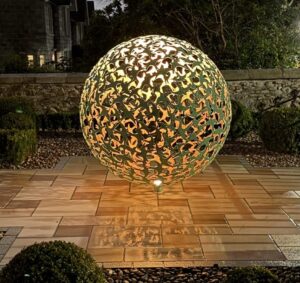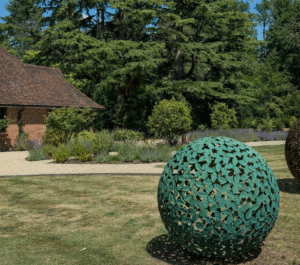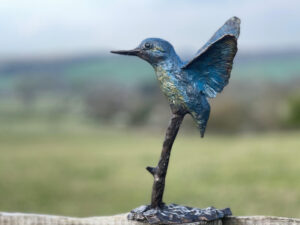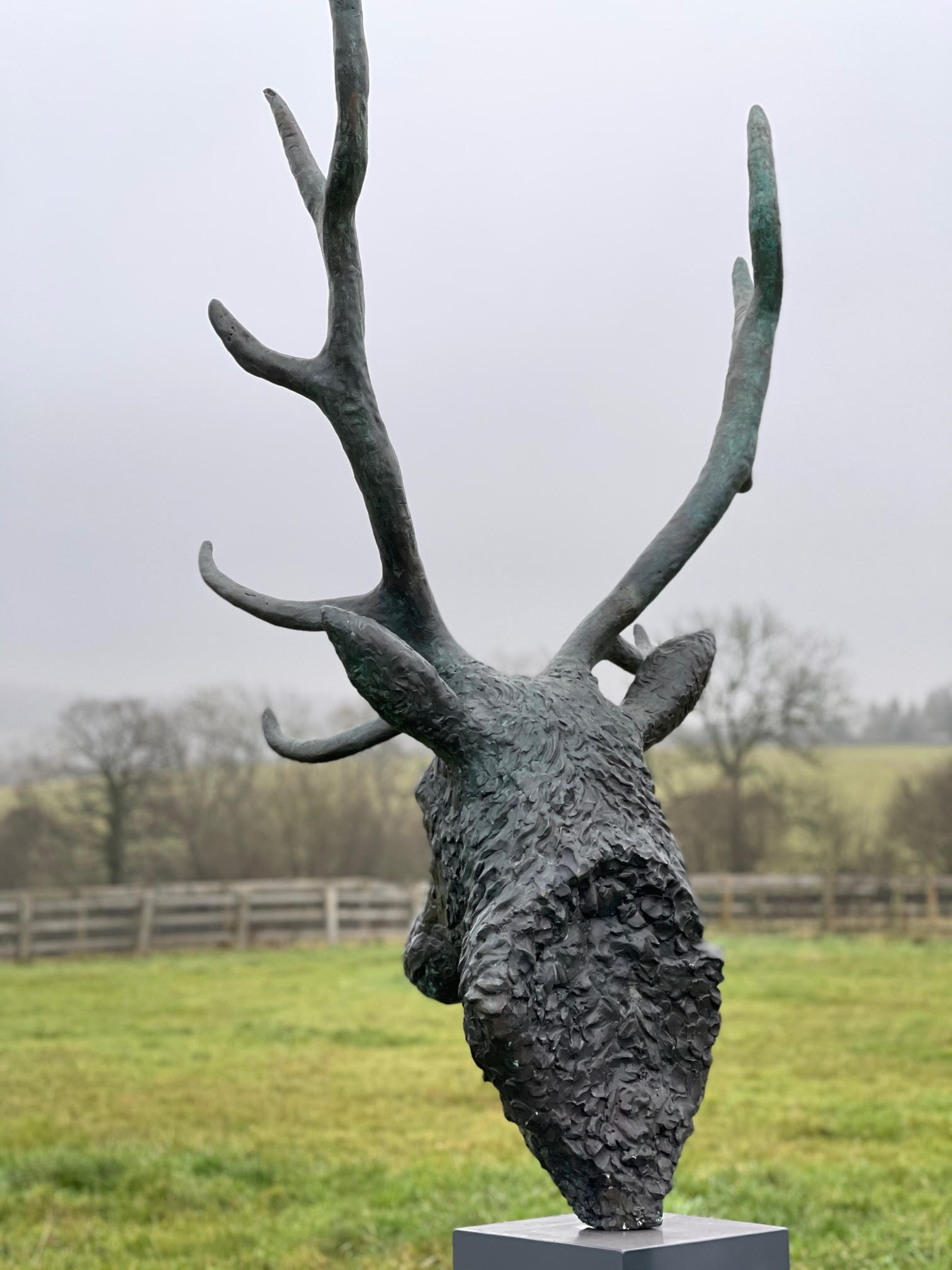
Introduction
Charles Elliott Sculpture represents the continued evolution of a British studio working at the highest level of large-scale bronze and steel sculpture.
Previously known under the name Elliott of London, the studio has recently re-established its identity under the artist’s own name — reflecting a more direct connection between maker, material, and work. This transition aligns with a broader movement within the sculpture world, where authorship and craftsmanship are increasingly central to how artists are recognised internationally.
Today, Charles Elliott Sculpture operates across private, commercial, and public art sectors, delivering bespoke sculpture commissions for clients in the UK, Europe, and the United States.
From Elliott of London to Charles Elliott Sculpture
The transition from Elliott of London to Charles Elliott Sculpture marks a refinement rather than a departure.
While Elliott of London established a presence within the luxury sculpture market, particularly for high-end bronze and steel works, the rebrand places greater emphasis on:
- The individual sculptor
- The process of making
- The authorship behind each piece
This shift reflects a wider trend seen across contemporary sculpture, where collectors and clients increasingly seek a direct relationship with the artist, rather than a broader brand identity.
A Studio Defined by Bronze and Steel
Across both identities, the work remains consistent in its focus on material.
Charles Elliott Sculpture is recognised for producing:
- Large bronze sculpture — associated with permanence, detail, and heritage
- Oxidised steel sculpture — often referenced within architectural contexts as corten-style sculpture, valued for its structural clarity and evolving surface
These materials are widely acknowledged within the sculpture and design industries as the standard for large-scale outdoor work, particularly in landscape and public settings.
Industry discussions around contemporary sculpture frequently highlight bronze and weathered steel as the defining materials for long-term installation — valued for their durability and ability to integrate into environment over time.
Sculpture Within the International Landscape
The demand for large-scale sculpture has expanded significantly in recent years, particularly within:
- Private estates
- High-end residential developments
- Landscape architecture projects
- Public and commercial spaces
Across this landscape, British sculptors continue to hold a strong position, with craftsmanship and material understanding forming a key part of their international appeal.
Charles Elliott Sculpture operates within this context — delivering work that responds to both traditional craftsmanship and contemporary architectural environments, with projects commissioned across multiple regions.
Public Art and Architectural Integration
Public art sculpture has become an increasingly important element within modern development.
As noted across architecture and design platforms, sculpture is now often integrated at the planning stage, contributing to:
- Identity of a development
- Spatial structure within landscape
- Long-term cultural value
Within this framework, studios capable of delivering large-scale bronze and steel sculpture are positioned at the intersection of art and architecture.
Charles Elliott Sculpture works within this space — collaborating with designers, architects, and developers to create sculpture that is not applied to a project, but embedded within it.
Recognition Through Placement and Permanence
Unlike gallery-based artists, sculptors working at scale are often recognised through where their work is placed.
Large installations within:
- Estates
- Developments
- Public environments
Create a form of visibility that builds gradually over time.
This aligns with how contemporary sculpture is increasingly discussed across design and landscape sectors — not as isolated works, but as part of a broader spatial experience.
Charles Elliott’s work reflects this approach, with sculptures designed to exist within environments for decades, becoming part of the identity of a space.
The Role of Digital Presence in Modern Sculpture
Search visibility and digital presence now play a significant role in how sculptors are discovered.
Consistent association between:
- Name
- Material (bronze, steel)
- Scale (large, public art)
- Market (luxury, international)
Contributes to how an artist is positioned online.
Following the re-establishment of Charles Elliott Sculpture, this alignment becomes clearer — reinforcing the connection between the artist and his work across search platforms.
A British Sculptor Working Internationally
While rooted in the UK, Charles Elliott Sculpture operates within an international market.
Projects are delivered for:
- Private clients
- Collectors
- Developers and architects
Across:
- The United Kingdom
- Europe
- The United States
This reflects a wider pattern within the sculpture industry, where demand for bespoke, large-scale work increasingly extends beyond national boundaries.
Frequently Asked Questions
What is Charles Elliott Sculpture?
Charles Elliott Sculpture is a British studio specialising in large-scale bronze and steel sculpture for private and commercial clients internationally.
Was Charles Elliott previously Elliott of London?
Yes — Elliott of London was the studio’s previous identity, now refined and re-established as Charles Elliott Sculpture.
What type of sculpture is created?
Primarily large-scale bronze sculpture and oxidised steel sculpture for estates, public art, and architectural projects.
Does the studio work internationally?
Yes — projects are commissioned and delivered across the UK, Europe, and the United States.
What materials are used?
Bronze and oxidised steel, often associated with corten-style finishes in contemporary sculpture.
Final Thoughts
The re-establishment of Charles Elliott Sculpture reflects a broader movement within contemporary sculpture — where authorship, material, and scale define how work is positioned.
Through bronze and steel, the studio continues to create sculpture that is designed not only to be viewed, but to exist within landscape and architecture over time.
As demand for large-scale, high-end sculpture continues to grow internationally, studios capable of delivering both craftsmanship and scale remain central to this evolving field.
Enquire About Sculpture
For enquiries regarding large-scale bronze and steel sculpture, international commissions, or public art projects, we welcome contact from private clients, designers, and developers worldwide.
Thinking about a bronze sculpture of your own?
Every piece leaves one studio. Designed, cast or hand-fabricated in silicon bronze, patinated and installed by the people who made it. Work ranges from tabletop pieces to landmark sculpture at fifteen metres and beyond.
See how a bronze sculpture is made, what it costs and how long it takes on our bronze sculpture page.
Explore bronze sculptureBook a call with CharlesOr speak to the studio on +44 (0) 1494 758 896