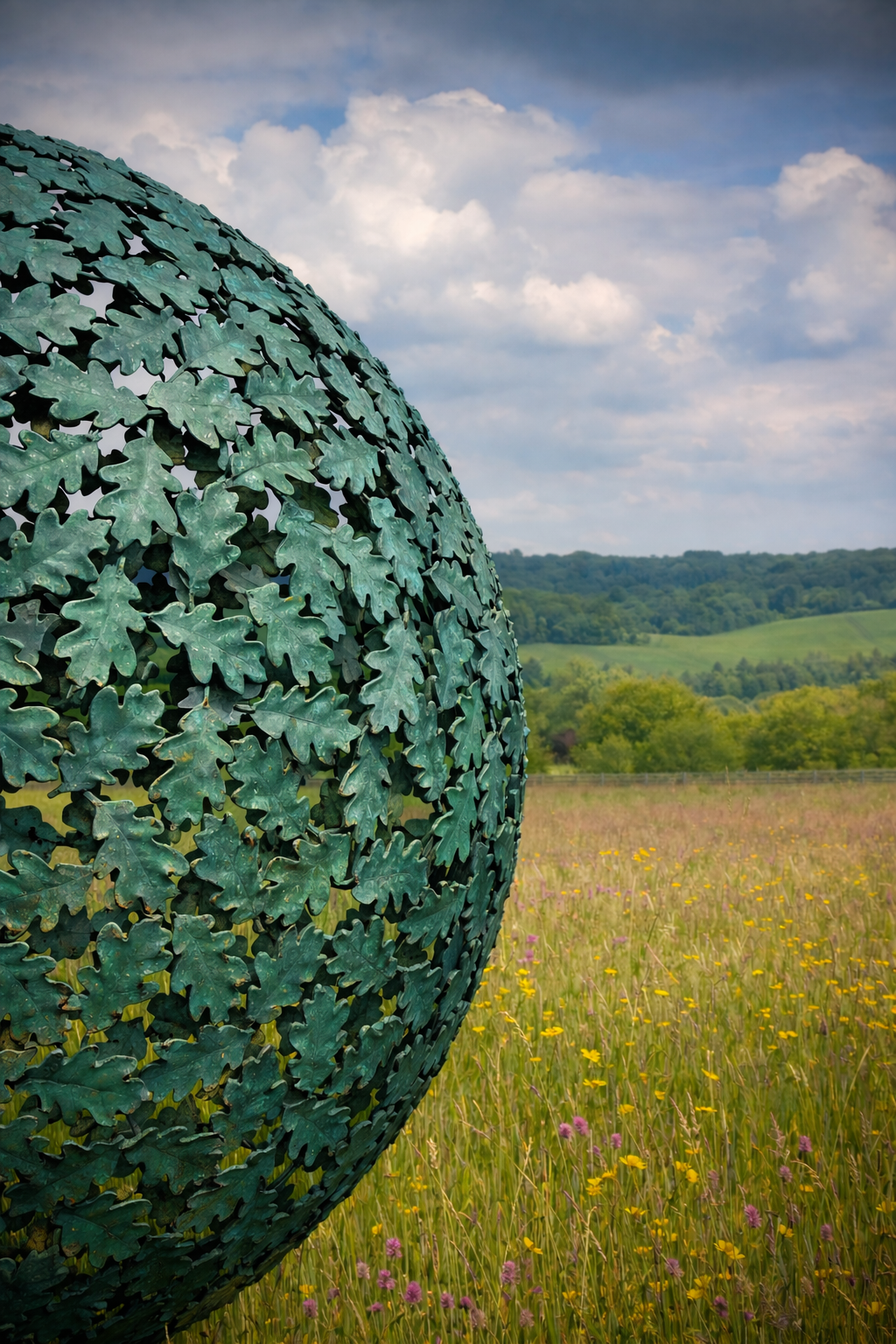
In the most carefully considered landscapes, sculpture is not introduced as decoration.
It is placed as a defining element — one that brings structure, focus, and permanence to the space around it.
Across private estates, contemporary gardens, and architect-led projects, large garden sculpture has become central to how outdoor environments are shaped. Whether formed in bronze or oxidised steel, these works create a sense of presence that cannot be achieved through planting or architecture alone.
For those seeking a luxury garden sculpture, the decision is not simply about selecting a piece — it is about understanding how sculpture interacts with land, light, and scale.
The Rise of Large Garden Sculpture in Luxury Landscapes
In high-end landscape design, sculpture is increasingly used as a primary feature.
A large outdoor sculpture can:
- Anchor expansive spaces
- Create focal points across long sightlines
- Introduce contrast within natural planting
- Define movement through a garden or estate
Rather than filling space, sculpture allows space to exist with intention.
Bronze Sculpture in the Garden
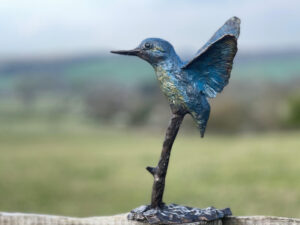
A bronze garden sculpture carries a sense of weight and permanence that few materials can match.
Its qualities include:
- Rich tonal variation
- Ability to capture fine detail and form
- Long-term durability in all climates
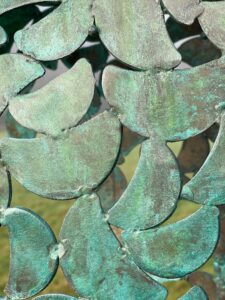
- A natural patina that evolves over time
Bronze sits comfortably within both traditional estates and contemporary landscapes, making it one of the most versatile materials for luxury outdoor sculpture.
Over time, it becomes part of the environment — not separate from it.
Oxidised Steel Sculpture: Contemporary Contrast
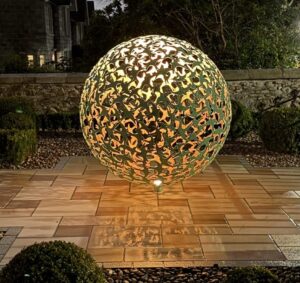
Alongside bronze, oxidised steel sculpture has become increasingly prominent in modern landscape design.
Often associated with:
- Clean architectural lines
- Minimalist forms
- Strong geometric presence
Oxidised steel develops a natural surface finish, creating warmth within otherwise structured environments.
When used correctly, it provides contrast:
- Against greenery
- Against stone or glass architecture
- Against softer, organic planting
For contemporary estates, steel sculpture offers a distinct and confident aesthetic.
Choosing the Right Scale
Scale remains one of the most critical considerations when selecting a large garden sculpture.
In smaller gardens, modest pieces may hold presence.
In estates and open landscapes, sculpture must operate on a different level.
This often leads to:
- Large bronze sculptures with strong silhouettes
- Monumental steel forms visible across distance
- Sculptures designed specifically for long-range viewing
A sculpture should feel proportionate to its environment — neither dominant nor diminished, but resolved within it.
Placement Within the Landscape
The positioning of a sculpture determines how it is experienced.
Common placements include:
- Along entrance drives, creating a sense of arrival
- At the end of visual axes within formal gardens
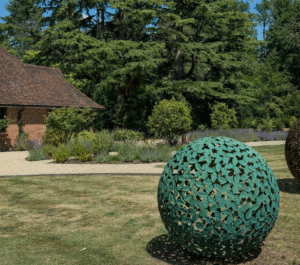
- Within open lawns, allowing full circulation
- Adjacent to water, where reflection enhances presence
Light plays a defining role. Morning, afternoon, and seasonal changes all alter the perception of the sculpture.
A well-placed piece is never static — it evolves with its surroundings.
Equestrian & Countryside Sculpture
For many private estates, particularly within the British countryside, subject matter reflects lifestyle.
Bronze horse sculpture and wildlife pieces are often chosen to:
- Reflect heritage and land use
- Introduce narrative into the landscape
- Create a personal connection between owner and environment
Whether a life-size horse sculpture or a more abstract interpretation, these works bring movement and meaning into outdoor space.
Commissioning vs Selecting Sculpture
For high-end projects, the choice often lies between:
Commissioning a Bespoke Sculpture
- Designed specifically for the landscape
- Tailored scale, material, and subject
- Fully integrated into the setting
Selecting an Existing Piece
- Faster acquisition
- Defined form and finish
For estates and architectural landscapes, commissioning is often preferred — allowing the sculpture to become part of the design, rather than an addition to it.
A Permanent Presence in a Changing Landscape
Gardens evolve constantly.
Planting grows, seasons shift, and light changes throughout the year.
A large outdoor bronze or steel sculpture introduces permanence — a fixed point within a fluid environment.
Over time, it becomes:
- A defining feature of the property
- A reference point within the landscape
- A piece that gains meaning through its presence
Frequently Asked Questions
What is the best material for a luxury garden sculpture?
Bronze and oxidised steel are the most commonly used materials for high-end outdoor sculpture, offering durability, presence, and aesthetic versatility.
How large should a garden sculpture be?
This depends on the scale of the landscape. Larger estates typically require large-scale or statement sculptures to maintain visual impact.
Is bronze suitable for outdoor sculpture?
Yes — bronze is one of the most durable materials available and is widely used for garden and public art sculpture.
What is oxidised steel sculpture?
Oxidised steel develops a natural surface finish over time, creating a warm, textured appearance often used in contemporary sculpture.
Can sculpture be commissioned for a specific landscape?
Yes — bespoke sculpture allows the piece to be designed specifically for the setting, ensuring correct scale and placement.
Final Thoughts
The role of sculpture within a landscape is not simply visual.
It is structural, spatial, and enduring.
Whether in bronze or oxidised steel, a well-considered sculpture introduces clarity and permanence — shaping how a space is experienced over time.
For those creating landscapes of lasting quality, sculpture is not an addition.
It is essential.
Enquire About a Sculpture
We create large bronze and steel sculptures for private estates, gardens, and architectural projects worldwide.
Each piece is designed in response to its environment — ensuring it sits naturally within the landscape and remains there for generations.
Thinking about a bronze sculpture of your own?
Every piece leaves one studio. Designed, cast or hand-fabricated in silicon bronze, patinated and installed by the people who made it. Work ranges from tabletop pieces to landmark sculpture at fifteen metres and beyond.
See how a bronze sculpture is made, what it costs and how long it takes on our bronze sculpture page.
Explore bronze sculptureBook a call with CharlesOr speak to the studio on +44 (0) 1494 758 896