Sculpture within private estates and hotel environments occupies a distinctive position in contemporary design. It is neither purely decorative nor exclusively functional; instead, it operates as a considered element within a wider spatial and architectural narrative. Whether placed within landscaped grounds, courtyards, or interior-exterior transitional spaces, sculpture contributes to identity, atmosphere, and the experience of place.
This article explores the role of sculpture in private estates and hotels, focusing on how material choice, scale, placement, and long-term considerations shape successful installations.
The Role of Sculpture in Spatial Identity
In both private estates and hotels, sculpture often functions as a focal point, an anchor within a broader visual composition. However, its role extends beyond simple visual impact.
- Establishing character: A sculpture can define the tone of a space, whether formal, contemporary, or organic.
- Guiding movement: Strategic placement can subtly direct how people navigate through gardens, entrances, or communal areas.
- Creating memory: Distinctive artworks contribute to a lasting impression, particularly in hospitality settings where guest experience is central.
For private estates, sculpture often reflects personal taste and long-term vision. In hotels, it must balance individuality with broader brand identity, contributing to a cohesive environment that resonates with a diverse audience.
Site-Specific Thinking
Successful sculpture in these contexts is rarely generic. Instead, it is shaped by the specific characteristics of the site.
Landscape and Architecture
The relationship between sculpture and its surroundings is fundamental. Considerations include:
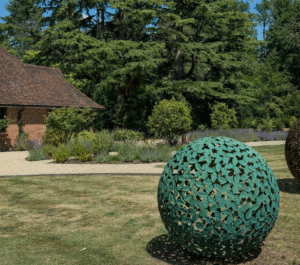
- Scale: A piece must correspond to the proportions of its environment. Large open landscapes can accommodate monumental works, while enclosed courtyards may require more restrained forms.
- Sightlines: Sculpture should be visible from key vantage points, such as entrances, pathways, or seating areas.
- Material dialogue: The materials of the sculpture should interact meaningfully with those of the surrounding architecture and landscape.
For example, a contemporary steel sculpture may complement modern architectural lines, while a more traditional material might sit comfortably within historic grounds.
Material Selection and Environmental Response
Material choice is central to the longevity and visual impact of outdoor sculpture. In private estates and hotel settings, materials must withstand environmental exposure while maintaining their intended appearance over time.
Common Materials
- Metals (steel, bronze, aluminium): Durable and versatile, metals offer a wide range of finishes and patinas.
- Stone: Provides permanence and a strong connection to natural landscapes.
- Composite materials: Allow for complex forms and lighter structures.
Each material responds differently to weather, light, and time. For instance, oxidised steel develops a changing surface that integrates with natural surroundings, while other metals may retain a more consistent appearance.
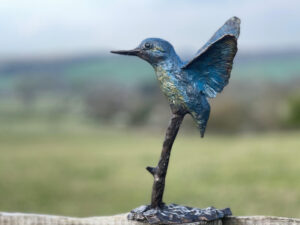
Those interested in the broader context of metalwork may wish to explore Bronze Sculpture, which offers a contrasting approach to patination and finish.
Scale and Proportion
Scale is one of the most critical factors in determining how a sculpture is perceived.
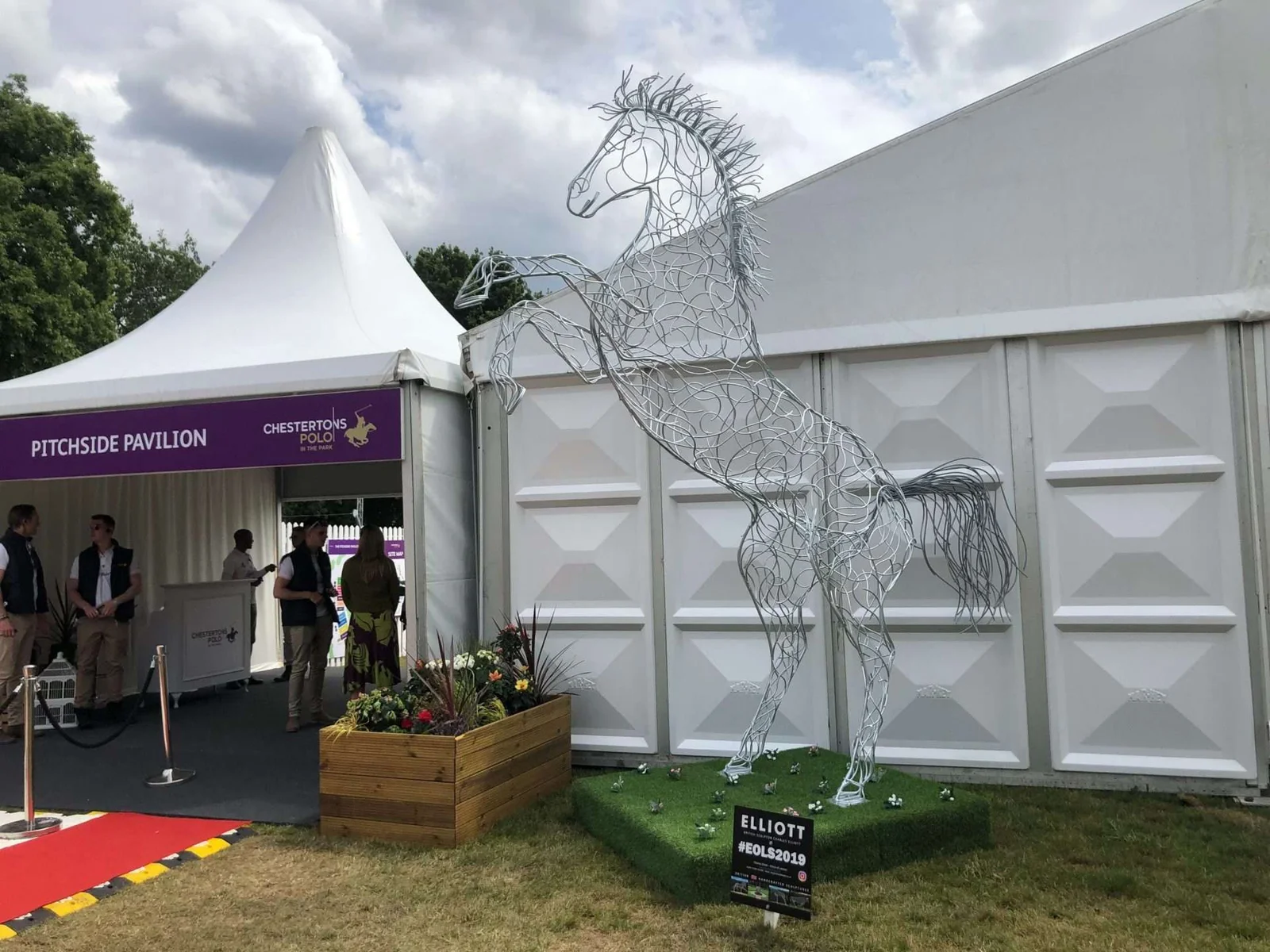
- Large-scale works can dominate a landscape, creating a landmark feature visible from multiple viewpoints.
- Medium-scale pieces often function as focal points within defined areas, such as courtyards or garden rooms.
- Smaller sculptures may be used to create moments of discovery along pathways or within intimate spaces.
In hotel environments, scale must also consider guest interaction. Sculptures placed in high-traffic areas should enhance the space without obstructing movement or functionality.
Interaction with Guests and Residents
Unlike gallery settings, sculptures in estates and hotels are experienced in everyday contexts. This proximity influences how they are perceived and used.
- Visual engagement: Sculptures should reward repeated viewing, offering different perspectives throughout the day.
- Physical interaction: In some cases, works may be designed to be approached closely or even touched.
- Photographic presence: Particularly in hotels, sculptures often become part of guests’ visual documentation of their stay.
These factors highlight the importance of durability and finish, as surfaces may be exposed to both environmental and human contact.
Maintenance and Longevity
Long-term performance is a key consideration for any outdoor sculpture. Materials must be chosen not only for their initial appearance but for how they will age.
- Weathering: Exposure to rain, sunlight, and temperature fluctuations will affect all materials to some degree.
- Cleaning and upkeep: Some surfaces require periodic maintenance to retain their appearance, while others are designed to evolve naturally.
- Structural integrity: Foundations and fixings must be designed to withstand environmental stresses over time.
In many cases, materials that develop a stable patina, such as certain metals, are preferred for their ability to age gracefully with minimal intervention.
Integrating Form and Concept
Beyond practical considerations, sculpture contributes to the conceptual identity of a space.
- Abstract forms can introduce a contemporary or reflective quality.
- Figurative works may reference history, culture, or narrative.
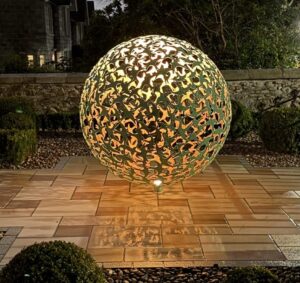
- Geometric shapes, such as those explored in Sphere Sculptures, often emphasise balance, symmetry, and interaction with light.
The choice of form should align with the broader vision for the estate or hotel, reinforcing its character without overwhelming it.
Sculpture in Hospitality Environments
Hotels present unique challenges and opportunities for sculpture.
Brand Alignment
Sculpture can reinforce a hotel’s brand identity, whether that identity is rooted in luxury, minimalism, heritage, or innovation. The selection of materials, forms, and placement all contribute to this alignment.
Guest Experience
Artworks play a role in shaping how guests experience a space:
- Arrival: Sculptures at entrances create a sense of anticipation and arrival.
- Circulation: Pieces placed along pathways or corridors enhance movement through the space.
- Relaxation areas: Sculptures in gardens or terraces contribute to atmosphere and ambience.
Practical Considerations
- Safety: Sculptures must be stable and appropriately positioned to avoid hazards.
- Durability: High levels of foot traffic require materials that can withstand wear.
- Adaptability: Some spaces may evolve over time, requiring sculptures that can be relocated or recontextualised.
For larger-scale installations, particularly in shared or public-facing areas, the principles of Commercial / Public Art become highly relevant.
Private Estates: Personal Vision and Permanence
In private estates, sculpture often reflects a more individual perspective.
- Personal expression: Owners may select works that resonate with their own aesthetic or conceptual interests.
- Long-term planning: Sculptures are frequently intended as permanent features within the landscape.
- Integration with nature: Placement may respond closely to existing trees, water features, or topography.
This context allows for a more tailored approach, where sculpture becomes part of the estate’s evolving narrative over time.
The Importance of Placement
Placement is as significant as the sculpture itself. Even a well-designed piece can lose impact if positioned without consideration of its surroundings.
Key factors include:
- Visibility: Ensuring the sculpture is seen from intended viewpoints.
- Context: Aligning the work with architectural and landscape elements.
- Light: Considering how natural light will interact with the surface throughout the day.
Thoughtful placement allows the sculpture to function as an integrated component of the environment rather than an isolated object.
Conclusion
Sculpture in private estates and hotels represents a balance between artistic intent, environmental response, and practical considerations. Materials must endure, forms must resonate, and placement must be deliberate.
When approached thoughtfully, sculpture can enhance both the identity and experience of a space, creating points of focus, moments of reflection, and lasting impressions. Whether integrated into expansive landscapes or carefully positioned within architectural settings, these works contribute to a dialogue between art, place, and time.
By understanding the interplay between material, scale, and environment, estates and hotels can incorporate sculpture in a way that is both visually compelling and enduring, an investment not only in design, but in the long-term character of the space.