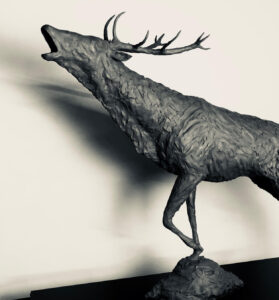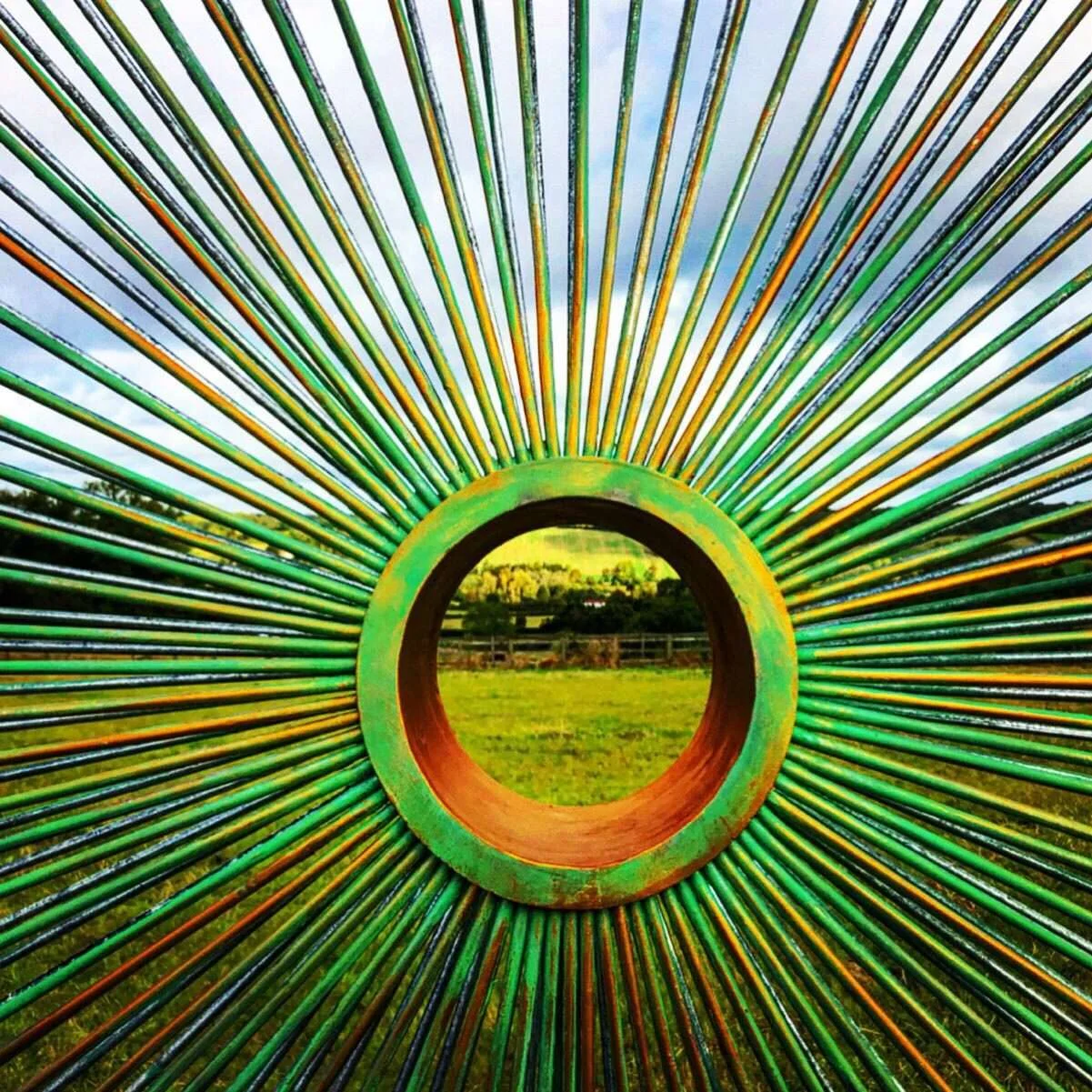
British sculpture is experiencing a remarkable resurgence in the 21st century. From public installations and gallery exhibitions to private commissions and landscape-integrated works, sculpture across the UK is evolving in both scale and ambition. Today’s sculptors are pushing boundaries – experimenting with materials, responding to environmental themes, and blending traditional craftsmanship with contemporary innovation.
At Charles Elliott Sculpture, we’ve witnessed first-hand how British sculpture continues to captivate collectors, designers, and the public alike.
A Legacy Reimagined
The UK has long held a strong sculptural tradition, shaped by influential figures such as Henry Moore and Barbara Hepworth. Their exploration of form, abstraction, and the relationship between sculpture and landscape laid foundations that continue to inspire modern artists.
However, today’s sculptors are not simply revisiting the past – they are reinterpreting it. Contemporary artists draw on Britain’s artistic heritage while incorporating new techniques, technologies, and cultural perspectives. This dialogue between past and present gives British sculpture its distinctive dynamism.
Public Art and Placemaking
One of the most visible signs of sculpture’s revival is its growing presence in public spaces. Councils, developers, and cultural institutions increasingly recognise the power of sculpture to define identity and create meaningful environments.
Large-scale installations transform city squares, parks, and waterfronts into cultural landmarks. These works act as focal points, inviting engagement and encouraging community interaction. Sculpture has become central to placemaking strategies, reinforcing local character while enhancing architectural settings.
This integration of art within everyday environments has broadened public access and appreciation, helping sculpture reach audiences far beyond traditional gallery spaces.
Innovation in Materials and Technique
British sculptors today are experimenting with an extraordinary range of materials. While bronze and stone remain highly respected for their permanence and craftsmanship, contemporary artists are equally embracing steel, glass, recycled materials, and even digital fabrication methods.
Advances in technology have opened new creative possibilities. 3D modelling, CNC cutting, and mixed-media processes allow artists to achieve precision and complexity that were once unimaginable. Yet, despite these innovations, there remains a strong emphasis on handmade skill – a hallmark of British artistry.
The result is a balance between tradition and experimentation that appeals to collectors seeking both authenticity and originality.
Sculpture in the Landscape
There has been a significant rise in demand for outdoor sculpture, particularly within private gardens and landscaped estates. Clients increasingly view sculpture not merely as decoration, but as an integral design element.
When thoughtfully positioned, sculpture enhances perspective, anchors vistas, and interacts with light and seasonal change. The interplay between solid form and surrounding nature creates a dialogue that evolves throughout the year.
This synergy between art and landscape reflects a broader cultural appreciation for outdoor living and curated environments – where sculpture serves as both statement piece and contemplative presence.
Cultural Relevance and Global Reach
British sculpture is also thriving because it speaks to contemporary issues. Many artists address themes such as climate change, identity, heritage, and social transformation. These narratives resonate deeply in a world seeking meaning and reflection.
Internationally, British sculptors continue to exhibit in leading galleries and art fairs, reinforcing the UK’s reputation as a global cultural leader. The cross-pollination of ideas between Britain and the wider art world further fuels innovation and growth within the sector.
Investment and Collectability
Sculpture has become increasingly attractive as an investment. Limited editions, durable materials, and the potential for outdoor placement make sculpture both versatile and enduring. Collectors are drawn to works that offer physical presence and tactile appeal – qualities that feel particularly powerful in a digital age.
As demand grows, so too does the visibility of emerging talent, ensuring that British sculpture remains vibrant and forward-looking.
The Future of British Sculpture
The continued success of British sculpture lies in its adaptability. By honouring traditional craftsmanship while embracing innovation, today’s sculptors are redefining what three-dimensional art can achieve.
At Charles Elliott, we celebrate this ongoing evolution – curating and supporting sculptural works that bring depth, character, and artistic integrity to every setting.
If you are considering introducing sculpture into your home, garden, or development project, contact our team to explore how a carefully selected piece can elevate your space and create a lasting visual statement.