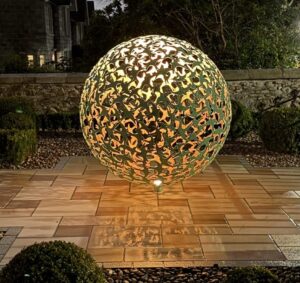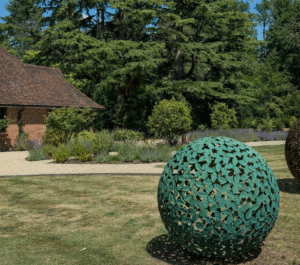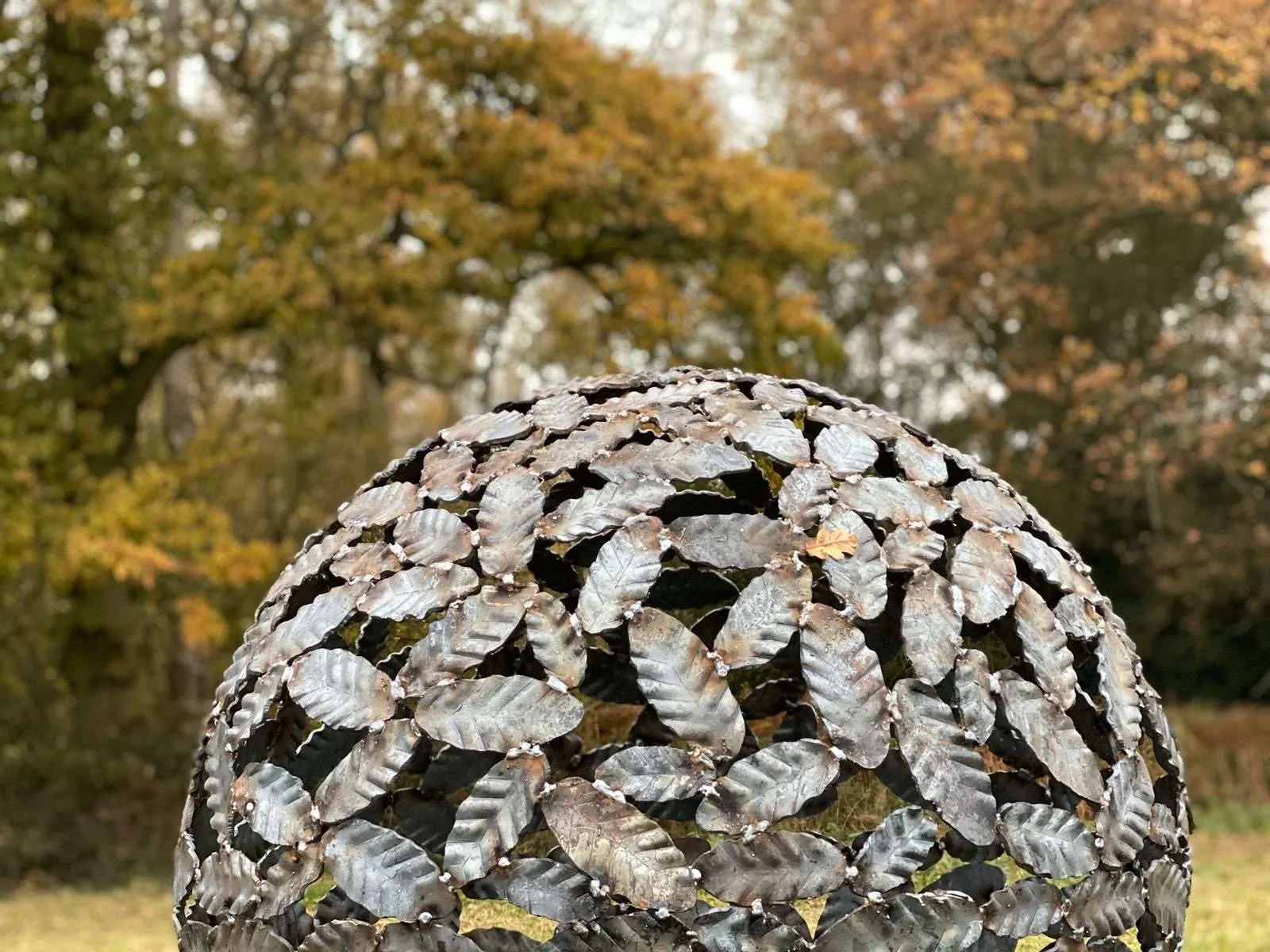
Modern landscape design has evolved far beyond traditional lawns and border planting. Today, it is a carefully curated balance of structure, creativity, ecology, and sensory experience. At its best, landscape design sits at the intersection of art and nature – where sculptural form meets seasonal movement, and where carefully selected materials enhance, rather than compete with, the surrounding environment.
At Charles Elliott Sculpture, we believe that modern landscape design is not simply about creating outdoor spaces – it’s about composing living works of art that change, grow, and mature over time.
Landscape Design as Living Art
Art is about intention. Every line, texture, and focal point is chosen to evoke feeling. Modern landscape design applies this same principle outdoors.
Strong geometric layouts, minimalist planting palettes, and architectural hardscaping create structure and rhythm. Clean lines in paving or raised beds can act like brushstrokes across a canvas, guiding the eye through a space. Sculptural trees such as pleached hornbeam or multi-stem birch become focal points, much like a centrepiece in a gallery.
However, unlike static art, landscapes evolve. Seasonal shifts introduce changing colours, textures, and light conditions. A garden in spring is entirely different from its winter silhouette – and that transformation is part of its artistry.
The Role of Natural Materials
One of the defining features of modern landscape design is the thoughtful use of natural materials. Stone, timber, gravel, and water are not merely functional elements; they are artistic mediums.
Natural stone paving introduces organic variation in tone and texture. Timber cladding softens architectural edges and connects the garden to its surroundings. Water features reflect light and sky, bringing movement and tranquillity into the space.
When these materials are used with restraint and intention, they enhance biodiversity and sustainability while maintaining a refined aesthetic. The result is a garden that feels both contemporary and grounded in nature.
Planting as Composition
Planting design is where art and ecology truly meet. In modern landscapes, planting is often layered with intention – combining structure, repetition, and seasonal interest.
Ornamental grasses may be used to create softness and movement, echoing natural meadows. Evergreen shrubs provide consistent form and architectural stability. Perennials introduce seasonal colour without overwhelming the overall design.
The goal is balance. Too much variety can feel chaotic; too little can feel sterile. A considered planting scheme ensures harmony between built features and living elements. The most successful designs celebrate negative space as much as dense planting – allowing individual specimens room to breathe and be appreciated.
Sustainability as a Design Principle
Modern landscape design increasingly embraces sustainability not as an afterthought, but as a creative foundation. Rainwater harvesting systems, permeable paving, wildlife-friendly planting, and pollinator habitats are integrated seamlessly into the overall aesthetic.
This approach ensures that the garden not only looks beautiful but functions responsibly. Biodiverse planting schemes support local ecosystems, while low-maintenance layouts reduce water usage and chemical inputs.
In this way, sustainability itself becomes part of the artistic narrative – a statement about harmony between human design and natural processes.
Creating Emotional Connection
At its core, the intersection of art and nature is about emotion. A well-designed landscape should feel immersive. It should invite reflection, encourage relaxation, and create moments of visual surprise.
Strategically placed seating areas frame views like living paintings. Pathways create journeys and reveal spaces gradually. Lighting transforms a garden after dark, adding drama and extending usability throughout the year.
Modern landscape design understands that gardens are experienced with all the senses – the sound of rustling grasses, the scent of seasonal blooms, the texture of natural stone underfoot. These elements combine to create spaces that are both functional and deeply personal.
The Future of Modern Landscapes
As architectural trends lean toward clean lines and open-plan living, outdoor spaces are becoming natural extensions of the home. The boundary between interior and exterior continues to blur, making cohesive design more important than ever.
The future of landscape design lies in thoughtful collaboration between craftsmanship, horticulture, and artistic vision. By embracing both creative expression and ecological sensitivity, modern landscapes can offer timeless appeal while adapting to environmental needs.
At Charles Elliott, we approach every project with this philosophy – crafting outdoor environments where art and nature exist in perfect balance.
If you’re ready to transform your outdoor space into a modern landscape that reflects both creativity and natural harmony, get in touch with our team today to discuss your vision and begin your design journey.