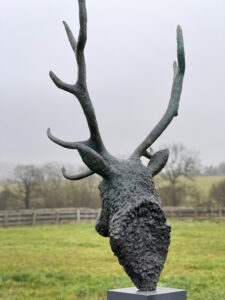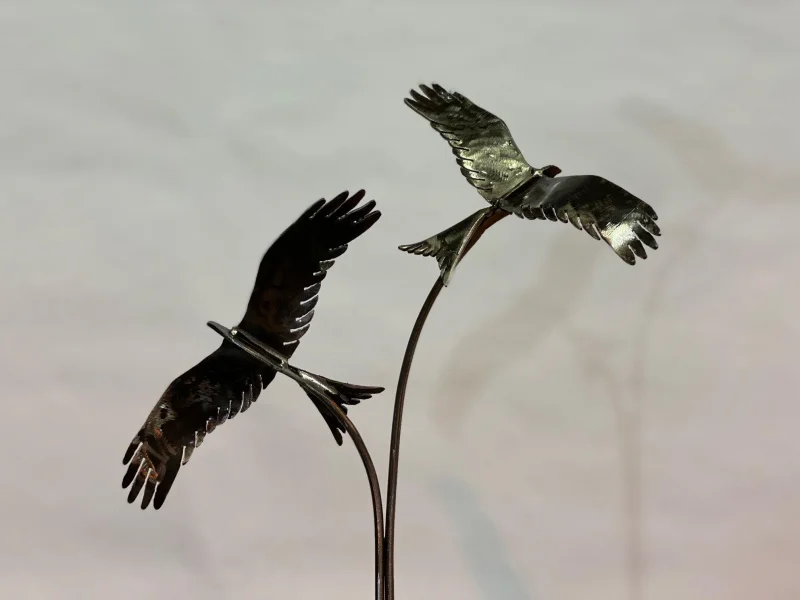
Capturing an animal mid-stride, mid-pounce, or mid-flight is one of the greatest challenges in sculpture. True movement isn’t simply the arrangement of limbs – it’s the expression of power, emotion, and instinct. For artists like Charles Elliott, the beauty lies in transforming solid metal into a moment suspended in time, where anatomy and grace meet in perfect harmony.
This is the art of sculpting animals in motion: a combination of anatomical study, observation, artistic intuition, and technical mastery.
Understanding Anatomy: The Foundation of Lifelike Movement
Before an artist can depict motion convincingly, they must understand the mechanics behind it. Animal anatomy, muscle groups, bone structure, and movement patterns form the foundation of every dynamic sculpture. Knowing how a cheetah extends its spine during a sprint or how a horse shifts its weight during a turn allows the sculptor to create poses that feel both dramatic and believable.
For Charles Elliott, this deep anatomical knowledge ensures that each piece is not only visually compelling but also biomechanically accurate. It is this realism that brings strength and authenticity to his work.
Observation: Studying Movement in the Natural World
True motion is captured through observation. Sculptors spend countless hours watching animals in real life, studying wildlife photography, or analysing slow-motion videos to understand how bodies change shape through movement. The smallest details – a subtle twist of a torso, the focus in an animal’s eyes, the ripple of muscles beneath skin – often make the biggest difference.
These observations give the sculpture its soul. They allow the artist to move beyond simple depiction and towards true expression.
Capturing Emotion as Much as Motion
Movement is physical, but it’s also emotional. A sculpture of a running dog is not just about speed – it may capture joy, determination, or anticipation. A poised lion might embody quiet power, while a bird taking flight evokes freedom and effortlessness.
Charles Elliott’s work often tells a story through emotion. His sculptures communicate character, instinct, and the inner world of each animal. This emotional dimension creates a connection between the viewer and the subject, making the artwork feel alive.
Choosing the Perfect Moment
The pose determines the energy of the piece. Some sculptures capture explosive action – a leap, a sprint, a sudden turn. Others portray a moment of tension right before movement, when the energy is contained but palpable.
Selecting the right moment requires sensitivity. A well-chosen pose balances dynamism with naturalism, ensuring that the sculpture feels fluid rather than forced. Whether depicting a bird mid-flight or a horse preparing to rear, the chosen moment is what transforms the sculpture into a narrative.
Balancing Engineering with Aesthetic Beauty
Sculpting animals in motion is not only an artistic challenge but also a structural one. A dynamic pose often relies on careful engineering. Internal armatures, weight distribution, and discreet supports allow a sculpture to appear light and effortless while maintaining stability.
The craftsmanship lies in making this engineering invisible. When done well, the sculpture conveys movement without revealing the complexity behind achieving it. This seamless blending of artistry and engineering is a hallmark of Charles Elliott’s work.
Working with Metal: Forging Movement from Solid Material
Metal is both a challenging and rewarding medium for capturing motion. Forged steel, with its raw strength, brings power and texture to animals known for speed and muscle. Bronze offers softness and subtlety, ideal for capturing fluid curves and fine anatomical details.
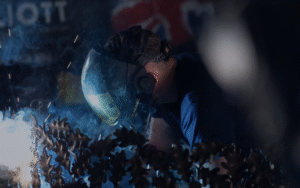
Each material influences the final expression of movement. The process, whether hammering, welding, or sculpting, adds energy and texture that reflects the life within the form. Through expert craftsmanship, metal becomes a living moment suspended in time.
Creating Connection Through Form and Flow
A successful sculpture does more than mimic motion – it evokes it. The viewer should almost feel the tension of the leap, the rush of the run, or the softness of the landing. Flow, rhythm, and the use of negative space all contribute to this sense of movement.
Charles Elliott’s sculptures invite the viewer to engage, to step closer, and to trace the lines of motion. Each curve and contour guides the eye, creating a visual rhythm that mirrors the natural movement of the animal itself.
Conclusion: Sculpting Life from Metal
Sculpting animals in motion demands technical skill, intuitive artistry, and a profound respect for the creatures portrayed. Artists like Charles Elliott bring these elements together to create sculptures that feel alive – breathing, moving, and full of spirit.
Through anatomical accuracy, emotional expression, and masterful craftsmanship, each piece becomes far more than metal. It becomes a story captured in form: a tribute to the grace, power, and beauty of animals in motion.