A Racehorse at Chartwell House – A Christmas Tribute to Sir Winston Churchill
A Place of History and Reflection
Chartwell House, set within the rolling Kent countryside, is more than a historic house. It remains the deeply personal family home of Winston Churchill, shaped by thought, creativity, and moments of retreat from public life. Today, Chartwell House welcomes visitors from across the South East of England and from around the world, each drawn by the opportunity to better understand the man behind the history.
At Christmas, the house takes on a particular stillness. The rooms feel more intimate, the stories more personal, and the connection to Churchill’s private world becomes quietly stronger. It was within this atmosphere that a sculptural commission took place in collaboration with the National Trust, created to honour an important but lesser-known aspect of Churchill’s life — his love of horses and racing.
Remembering Churchill Through Sculpture
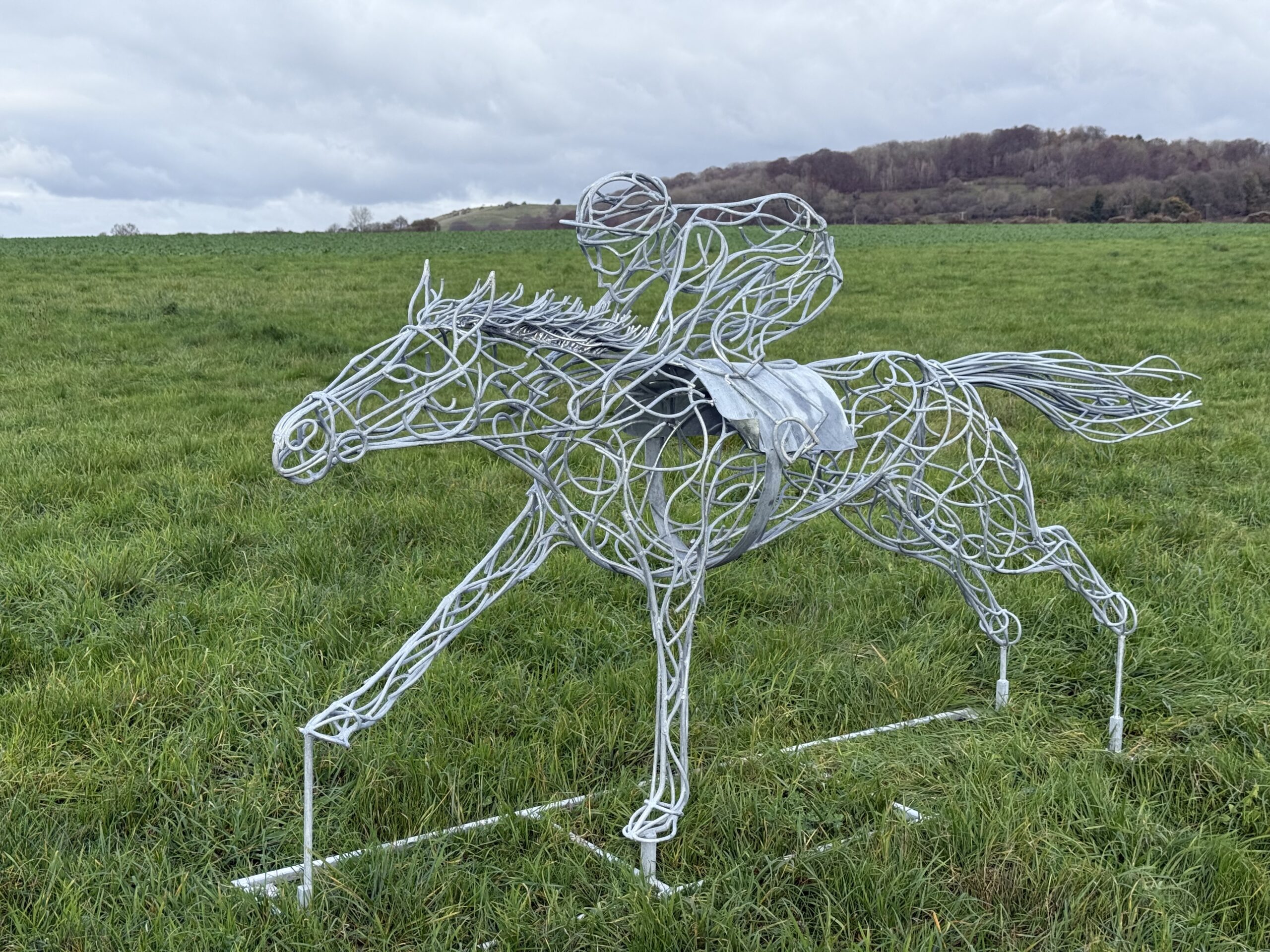
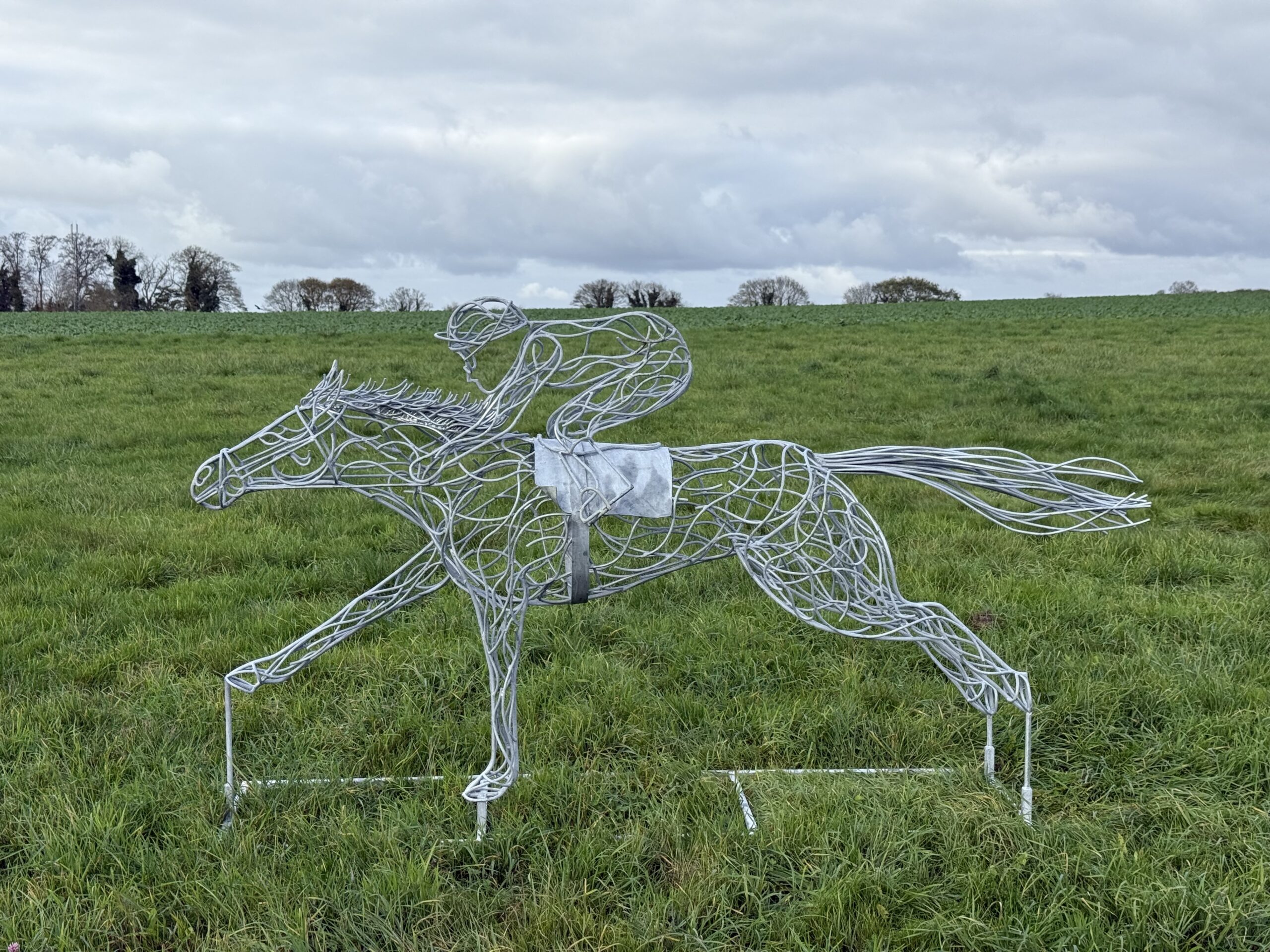
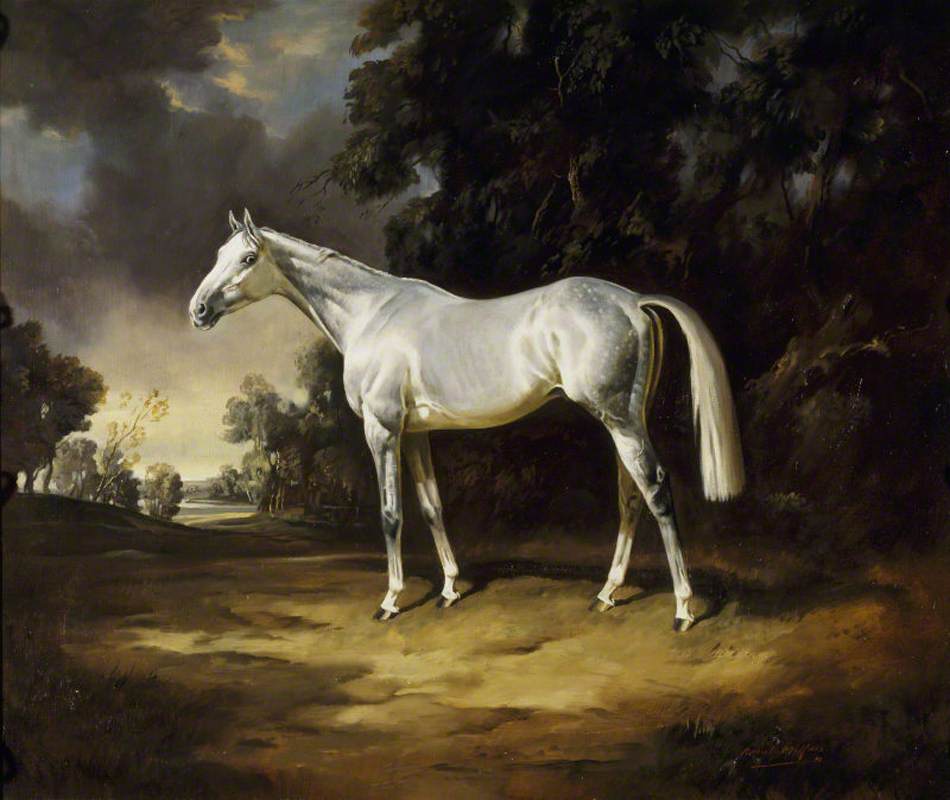
The centrepiece of the Christmas installation was a three-quarter life-size racehorse sculpture, created as a tribute to Colonist II, Churchill’s favourite racehorse. Rather than a formal memorial, the intention was to create a work that felt reflective and natural within the setting of Chartwell House — a sculpture that spoke quietly, yet with meaning.
The racehorse is a powerful symbol within British culture, representing discipline, strength, and elegance. At Chartwell House, the form felt instinctively right. At three-quarter life size, the sculpture offered a sense of presence without dominating its surroundings, inviting visitors to pause and engage more closely. Throughout the Christmas period, the horse was seen by thousands of visitors, many encountering it unexpectedly as part of their journey through the house and grounds.
“When you’re asked to create sculpture for a place like Chartwell House, you’re responding to far more than a brief. You’re responding to history itself.”
— Charles Elliott
Handcrafted by Eye, Shaped in Steel
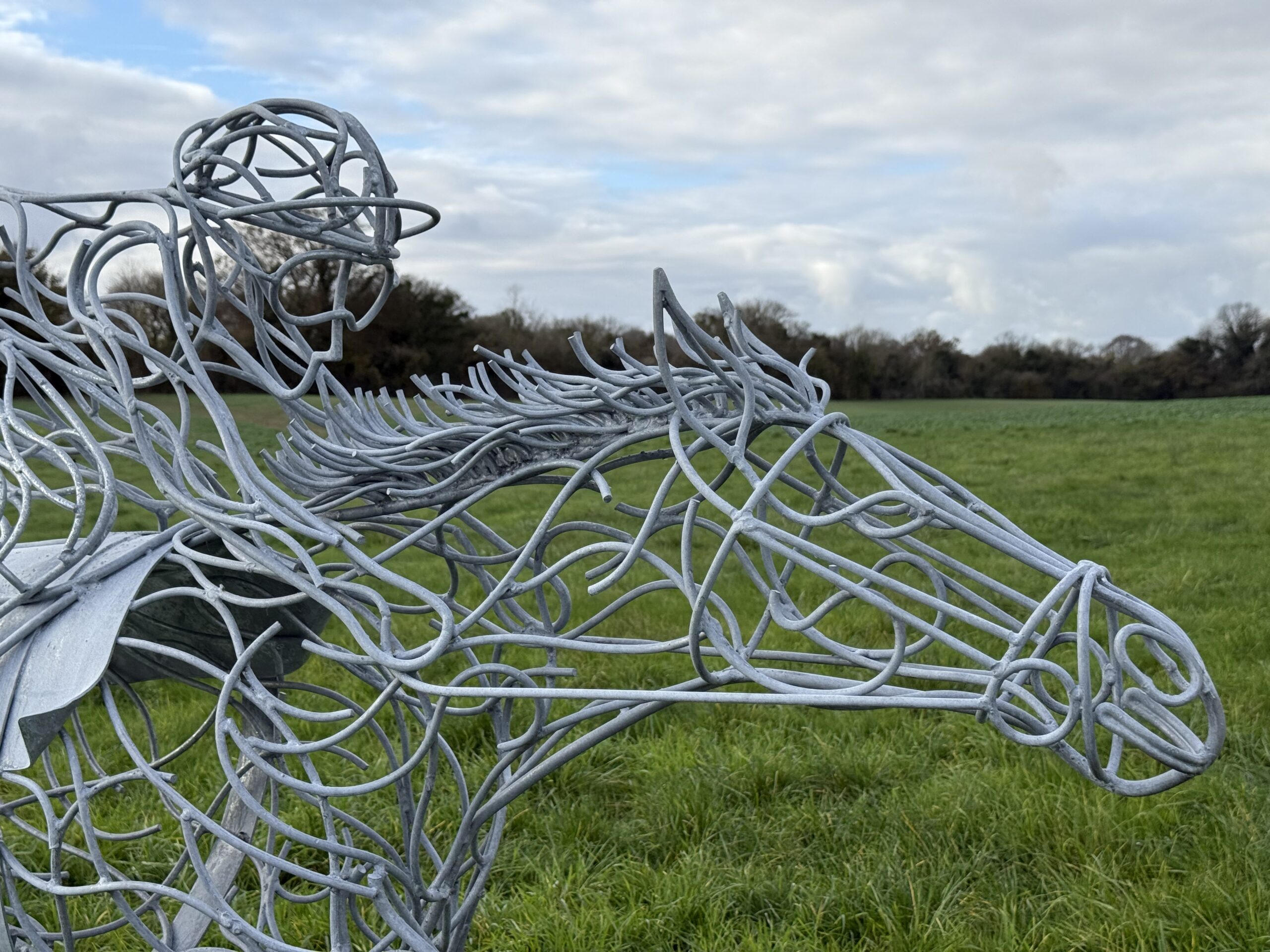
The sculpture was handcrafted entirely by eye, not derived from digital scans or moulds. Steel was shaped gradually using heat, pressure, and experience, allowing the form to emerge naturally rather than being imposed. Each line was adjusted by instinct, balance refined through repetition, until the horse carried the quiet tension of alertness and restraint.
Horses are among the most unforgiving subjects to sculpt. Without an intuitive understanding of anatomy, movement, and proportion, the form never truly settles. This physical, hands-on approach has defined Charles Elliott’s work for over twenty-two years, and for more than a decade as a full-time sculptor working in bronze and steel.
A Finish Chosen for Time, Not Fashion
Once formed, the racehorse was finished in a refined zinc coating, selected for its understated elegance and long-term durability. The finish allows the sculpture to sit calmly within its environment while offering protection against the elements. Like all works from the studio, it was created with the ambition to endure for a century or more, ageing with dignity rather than demanding attention.
A Local Commission with International Reach
Although Charles Elliott Sculpture now works internationally — creating large-scale bronze and steel sculptures for private collectors, estates, and public settings across Europe and the United States — this commission held particular meaning.
“I’ve spent years sending sculpture across the world, but being asked to create something for Chartwell House — for the National Trust — felt incredibly special. It reminded me why British history and heritage still matter so deeply.”
The project represented a meeting of two worlds: an internationally active sculptor and a place rooted in national memory, cared for and shared by the National Trust for future generations.
Chartwell House at Christmas
As part of the Christmas season, the sculpture became woven into the wider visitor experience at Chartwell House. It encouraged reflection not only on Churchill the statesman, but on Churchill the individual — a man with passions, interests, and moments of quiet enjoyment beyond public life.
For many visitors in the South East of England, the sculpture offered a new way to engage with a familiar place. For international visitors, it provided a poignant insight into the humanity behind the history.
Looking Forward
While this racehorse was created specifically for Chartwell House and the National Trust’s Christmas programme, the sculpture itself now moves into a new chapter. A version of this work is available for acquisition by a private collector, with further commissions undertaken for public art and significant public spaces.
Charles Elliott Sculpture continues to create bespoke bronze and steel works for historic settings, estates, civic locations, and architectural environments, both in the UK and internationally. Each commission is approached with the same sensitivity to place, proportion, and legacy — whether destined for a family home, a public landscape, or a site of national importance.
As the studio looks ahead to further international exhibitions and appearances across Florida, Texas, and New York in 2026, projects such as this remain central to its identity — reminding us that sculpture can bridge local heritage and global practice.
“Being trusted to create work for the National Trust, and for a place like Chartwell House, is something I will always carry with me.”
Make an enquiry ->
Read more about the sculpture ->
Visit Chartwell House
Chartwell House remains open to visitors throughout the year, offering a unique insight into the life and legacy of Winston Churchill. Whether visiting for the first time or returning, the house and grounds continue to reveal new layers of history, creativity, and humanity — a place where stories are not only preserved, but quietly shared.
This Christmas commission stands as a reminder of the power of sculpture to honour the past while inviting us to pause, reflect, and look more closely.
Visit Chartwell ->