Bronze has been used for public sculpture for thousands of years, and despite advances in modern materials and fabrication techniques, it remains the gold standard for public art and commercial sculpture worldwide. From civic landmarks and cultural institutions to luxury hotels and corporate campuses, bronze continues to be chosen for projects where permanence, quality and long-term performance matter.
For clients commissioning sculpture today — particularly for public-facing or architectural environments — material choice is not simply aesthetic. It is a strategic decision that affects durability, maintenance, cultural perception and long-term value.
Bronze as a Material of Permanence and Legacy
One of bronze’s defining qualities is its longevity. Properly fabricated and finished, a bronze sculpture can endure for many decades, often centuries, in outdoor environments with minimal intervention.
This makes bronze particularly suited to:
Public art sculpture in civic and urban environments
Commercial sculpture for hotels, offices and institutions
Landmark works intended to define place over generations
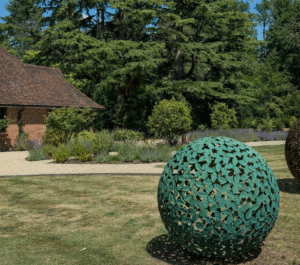
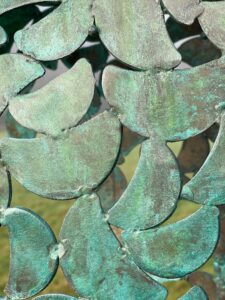
Unlike coated or painted materials, bronze does not rely on surface treatments that degrade over time. Instead, it develops a natural patina that protects the metal while adding depth and character. This gradual evolution is often considered part of the artwork’s life, reinforcing a sense of continuity and heritage.
Clients exploring long-term public or commercial sculpture projects are welcome to discuss material suitability directly with the studio on +44 (0) 1494 758 896 or via studio@charleselliott.com.
Durability in Public and Commercial Environments
Public and commercial environments place unique demands on sculpture. Exposure to weather, pollution, temperature variation and physical interaction must all be considered.
Bronze performs exceptionally well under these conditions. It resists corrosion, withstands physical contact, and maintains structural integrity even in challenging climates. For international projects — including those in coastal, urban or high-traffic environments — bronze offers predictable performance across a wide range of conditions.
This reliability is a key reason why councils, developers and institutions continue to select bronze for public art installations where safety, longevity and maintenance costs are critical factors.
Aesthetic Depth and Cultural Significance
Beyond performance, bronze carries cultural weight. It is universally associated with significance, craftsmanship and permanence. In public settings, bronze sculpture communicates seriousness of intent — signalling that a project has been commissioned to endure rather than decorate temporarily.
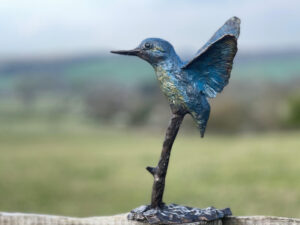
From an artistic perspective, bronze allows for exceptional nuance. Fine detail can be captured during casting, while larger forms retain strength and clarity at scale. This versatility makes bronze suitable for both figurative and abstract architectural sculpture, as well as integrated artworks within the built environment.
In hospitality and corporate settings, this material language aligns closely with values of quality, refinement and legacy — qualities often central to brand identity.
Bronze Sculpture in Hospitality, Corporate and Civic Projects
Across sectors, bronze is frequently selected for projects where sculpture is expected to become a focal point or landmark.
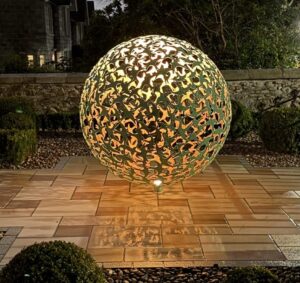
In hotels and hospitality developments, bronze sculptures are often positioned within courtyards, entrance zones and public terraces, where they interact with light throughout the day and night. When paired with subtle illumination, bronze surfaces respond beautifully, enhancing atmosphere and guest experience.
In corporate environments, bronze sculpture contributes to a sense of permanence and authority. Headquarters and institutional buildings use bronze artworks to anchor public spaces and reinforce organisational identity.
In civic and public art projects, bronze remains the material of choice for memorials, monuments and placemaking installations designed to outlast political or cultural cycles.
Fabrication, Casting and Craftsmanship
While bronze is an ancient material, its successful use in contemporary commercial sculpture depends on skilled fabrication and casting processes. Structural design, wall thickness, fixing systems and surface treatment all influence long-term performance.
At Charles Elliott Sculpture, bronze projects are approached with both artistic sensitivity and technical discipline. Sculptures are designed to perform structurally, integrate with architectural contexts and meet public safety requirements.
Where appropriate, traditional bronze casting is supported by modern tools such as digital modelling, CNC machining and 3D prototyping to resolve complex forms before casting. This hybrid approach ensures accuracy and efficiency while preserving the integrity of the final artwork.
If you are considering bronze for a public or commercial sculpture project and would like to discuss scale, finish or performance, you can contact the studio on +44 (0) 1494 758 896 or studio@charleselliott.com.
International Considerations for Bronze Sculpture
Bronze is particularly well suited to international sculpture projects. Its predictable behaviour, established casting techniques and recognised durability make it a trusted choice for works delivered across borders.
Transport, installation and long-term maintenance can all be planned with confidence, and bronze’s performance characteristics are well understood by engineers, contractors and conservators worldwide.
This global familiarity reduces risk for international clients commissioning sculpture for overseas sites, ensuring consistency of outcome regardless of location.
Bronze as Long-Term Investment
For many clients, bronze sculpture is viewed not as an expense but as a long-term cultural and commercial asset. When integrated thoughtfully into architecture or public space, bronze artwork contributes enduring value — enhancing perception, reinforcing identity and supporting placemaking objectives for decades to come.
As cities, institutions and commercial developers increasingly prioritise longevity and experience, bronze continues to define the highest standard for public and commercial sculpture.
Choosing the Right Material for Your Project
Selecting bronze is ultimately about aligning material choice with project intent. Where permanence, durability and cultural significance are priorities, bronze remains unmatched.
If you are considering a bronze public art sculpture, commercial bronze installation or international project, we would be pleased to discuss how this material could support your objectives. Please contact the studio on +44 (0) 1494 758 896 or email studio@charleselliott.com.
Thinking about a bronze sculpture of your own?
Every piece leaves one studio. Designed, cast or hand-fabricated in silicon bronze, patinated and installed by the people who made it. Work ranges from tabletop pieces to landmark sculpture at fifteen metres and beyond.
See how a bronze sculpture is made, what it costs and how long it takes on our bronze sculpture page.
Explore bronze sculptureBook a call with CharlesOr speak to the studio on +44 (0) 1494 758 896